how to wash pillows: A Complete Guide to Down, Feather & Synthetic Pillows

Your pillow works silently every night to support your sleep. Over time, sweat, skin oils, dead skin cells, and dust can build up in and around your pillow. While most people wash their bed sheets and pillowcases regularly, knowing how to wash pillows at the core level is often completely ignored.
Over the years, I’ve noticed that many sleepers fall into common care traps when searching for how to wash pillows. Readers frequently ask me: Can I throw my pillow straight into the washing machine? Will water ruin a high-end goose down pillow? How often should I actually wash my pillow?
I have personally tested various washing and drying methods on everything from basic synthetic pillows to luxury white goose down pillows. While there are plenty of shortcut DIY tips online regarding how to wash pillows, some can permanently destroy your pillow’s loft and ergonomic support. In this guide, I will walk you through safe cleaning steps, break down care differences between materials, share crucial drying techniques, and highlight signs that tell you it’s time for a replacement.
How Often Should You Wash Your Pillow?
There is no one-size-fits-all answer when deciding how to wash pillows on a regular schedule. Based on my practical testing and material evaluations, here is the breakdown:
Synthetic / Polyester Pillows
Based on my experience, synthetic pillows may benefit from washing every 3–6 months. Synthetic fibers tend to absorb facial oils faster. If you sweat heavily at night, you can shorten this cycle and learn how to wash pillows of synthetic blend every 2–3 months.
White Goose Down & Feather Pillows
High-quality down pillows generally do not need frequent deep washing if they are properly protected. A thorough deep cleaning every 6–12 months is usually sufficient. Understanding how to wash pillows made of natural down means knowing that frequent washing may reduce the loft. Wash them only when necessary and follow care instructions carefully.
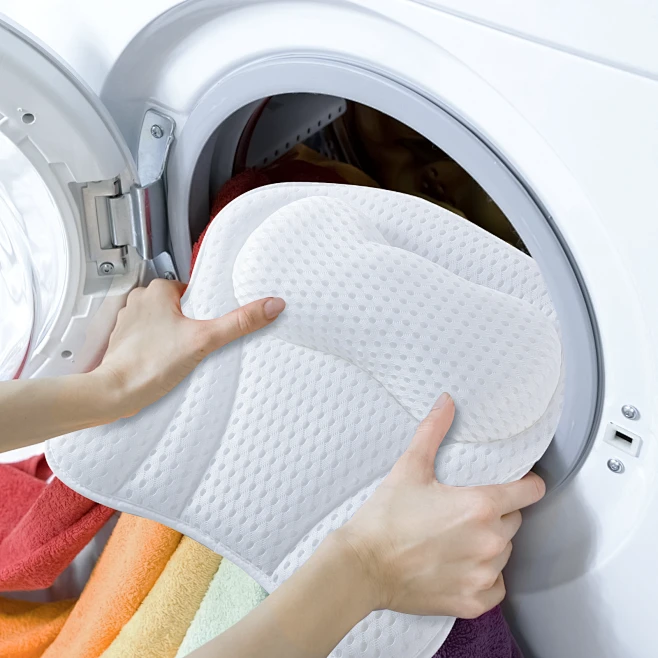
Billy’s Recommended Pro-Tip
Always pair your pillow with a reliable, breathable pillow protector. Using a quality protector helps reduce how often you need to worry about how to wash pillows deeply by blocking sweat, oils, and allergens from penetrating the core. I use protective covers on every single pillow in my home.
For additional research on bedding hygiene, check the Sleep Foundation’s guide on how to wash pillows and maintain them.
When to Wash Immediately
- Visible yellow sweat stains or spill marks appear.
- The pillow develops a stale, musty smell.
- You suffer from active night sweats or seasonal allergies.
How to Wash Synthetic (Polyester) Pillows
Polyester and synthetic pillows are generally the easiest when learning how to wash pillows at home using standard laundry appliances.
If possible, use a large-capacity front-loading washer. Top-load agitators can be rough when you learn how to wash pillows safely without tearing the outer casing.
Wash two pillows at the same time to keep the washer drum balanced during spin cycles.
Use a mild liquid laundry detergent. Avoid powdered detergent, bleach, or fabric softeners. Fabric softeners coat synthetic fibers, causing filling to clump permanently.
Select a gentle cycle with cold or lukewarm water. Run an extra rinse cycle to ensure all detergent residues are thoroughly washed away.
How to Wash Pillows Made of White Goose Down
Down pillows require a much gentler touch. I have seen too many people ruin expensive down pillows because they didn’t know how to wash pillows with down fill correctly.
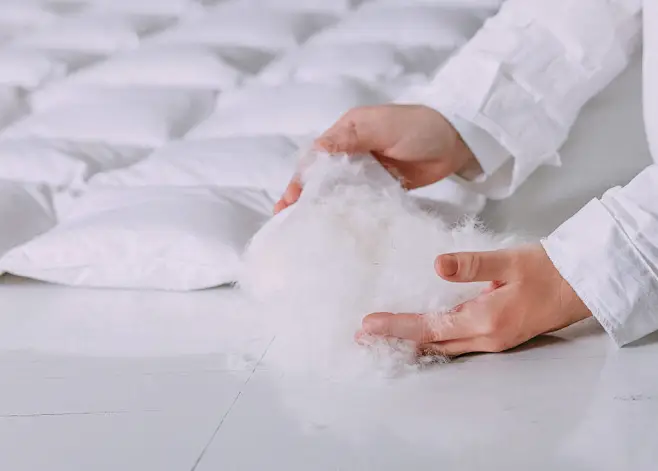
Before You Wash a Down Pillow
Always check the manufacturer’s care label first. If the label says spot clean only or dry clean only, do not machine wash it.
Machine Washing (Only if Allowed by Care Label)
- Use Front-Loaders: Use a large front-loading machine. Top-loaders with agitators can snag delicate down-proof cotton shells.
- Wash in Pairs: Wash two down pillows simultaneously to maintain machine balance.
- Mild Down Wash Only: Use a small amount of specialized down detergent or a mild liquid detergent. Strictly avoid bleach, stain removers, or fabric softeners—softeners destroy the natural loft of down clusters.
- Gentle Cycle & Double Rinse: Set to a delicate cycle with cool or lukewarm water. Always execute 2 complete rinse cycles; leftover soap residue causes down clusters to stick together and collapse.
Spot Cleaning (The Preferred Method for Light Stains)
If you only have a minor surface stain, there is no need to submerge the entire pillow. Spot cleaning is my preferred method when considering how to wash pillows for routine down care:
Dilute a gentle liquid detergent in water. Dip a soft cloth into the solution and gently dab the stained area—avoid aggressive scrubbing. Wipe away soap residue with a clean, damp towel, and allow the pillow to air dry thoroughly in a well-ventilated space.
Do not assume a down pillow can be dry-cleaned. Always follow manufacturer care instructions on how to wash pillows safely. Check textile care guidelines from the FTC Care Labeling Standards.
Pillow Drying: The Most Critical Step
Knowing how to wash pillows is only half the battle. Poor drying is the #1 reason pillows grow mold, develop sour odors, or become permanently lumpy.

Drying Synthetic Pillows
- Set your dryer to medium heat.
- Toss in 2–3 dryer balls or clean tennis balls to break up clumps as the pillow rotates.
- Pause the dryer every 30 minutes to fluff and redistribute the filling by hand. Ensure the core is 100% dry before stopping.
Drying White Goose Down Pillows
In my testing, drying technique determines whether a down pillow recovers its luxurious loft after you figure out how to wash pillows.
- Low Heat Only: Avoid high heat unless manufacturer instructions specifically allow it.
- Add Dryer Balls: Use wool dryer balls to manually separate damp down clusters as they tumble.
- Manual Fluffing: Take the pillow out every 30–45 minutes. Manually pull apart remaining clumps with your fingers and shake the pillow vigorously.
- Complete Dryness: Down takes a surprisingly long time to dry internally. Even a hint of trapped moisture will cause mold.
- Air Drying Option: You can air-dry down pillows in a sunny, breezy spot, but air drying takes considerably longer.
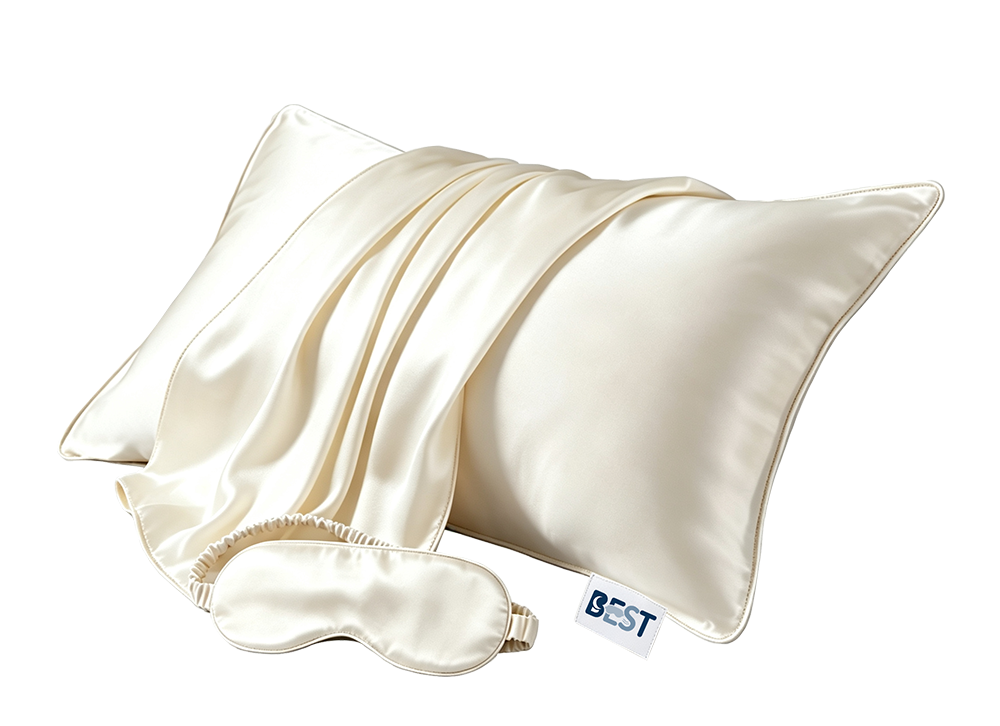
BEST™ 900 FP Goose Down Pillow
Wrapped in a high-density down-proof cotton shell engineered for long-lasting loft and easy care.
Shop Now6 Common Mistakes When Learning How to Wash Pillows
- Using Fabric Softeners: Coats fibers and down clusters, destroying fill power and support.
- Skipping Extra Rinse Cycles: Leaves soap film inside the fill, causing premature clumping.
- Using High Heat on Down: Scorches natural down feathers and damages fine fabric covers.
- Machine Washing “Spot Clean Only” Labels: Causes fill leakage or structural tearing.
- Storing Slightly Damp Pillows: Traps moisture, generating mold and persistent sour smells.
- Washing Down Too Frequently: Strips natural protective oils, shortening the lifespan of luxury bedding.
When Washing Isn’t Enough: Time for a Replacement
Even if you know exactly how to wash pillows, all bedding undergoes natural mechanical wear. Washing improves hygiene, but it cannot restore structural bounce once fibers degrade.
My Recommended Replacement Timeline:
- Synthetic Pillows: Replace every 1–2 years.
- High-Quality Goose Down Pillows: Replace every 2–3+ years (or longer with proper protective covers).
Signs You Need a New Pillow:
- The pillow remains flat or lumpy no matter how many times you review how to wash pillows or fluff them.
- Stubborn stains or odors persist after thorough cleaning.
- If your pillow has permanently lost its loft, check my guide on how high your pillow should be to find your next match.
Pillow Washability Comparison Chart
| Pillow Type | Machine Wash? | Key Consideration |
|---|---|---|
| Synthetic / Polyester | Often yes | Check care label; avoid fabric softeners |
| Down | Sometimes | Follow manufacturer’s instructions; use low heat |
| Feather | Sometimes | Requires thorough drying to prevent odors |
| Memory Foam | Usually no | Spot clean only; water destroys foam structure |
| Latex | Usually no | Avoid soaking; air dry in shade if spot cleaned |
Frequently Asked Questions (FAQ)
No. Always check the care label first when researching how to wash pillows. Memory foam and latex pillows should almost never be submerged in water or machine washed.
Based on my tests, no. Frequent washing strips natural oils in goose down. Use a quality pillow protector and limit deep washing to once every 6–12 months.
Lumpiness usually means there is still hidden moisture trapped inside, or soap residue remains. Run a rinse-only cycle with water, then dry on low heat with dryer balls.
Absolutely. A high-quality protector acts as a shield against sweat and oils, minimizing how often you have to search for how to wash pillows in deep cycles.
Most synthetic, down, and feather pillows can go in the dryer on low-to-medium heat. However, memory foam and latex pillows should never go into a dryer.
Use low heat, add wool dryer balls to break up down clusters, and manually pull apart damp clumps every 30–45 minutes until the core is 100% dry.
Yes, provided the care label permits it. Use a gentle cycle, mild liquid soap, double rinse, and ensure it is completely dry afterward to prevent foul odors.
Final Thoughts
Mastering how to wash pillows properly is one of the easiest ways to extend bedding lifespan and maintain a pristine sleep environment.
After testing numerous care methods, my core rule for how to wash pillows is simple: strictly respect the care label, choose mild detergents, ensure 100% core dryness, and rely on protective covers to minimize deep washing frequency.
Remember, cleaning restores hygiene, but it cannot fix structural degradation. When a pillow remains flat despite repeated fluffing, it’s time to upgrade to a high-loft white goose down pillow that supports your neck properly.
Ready for a Sleep Upgrade?
Experience resilience, breathable warmth, and luxury support with our signature 900 Fill Power Goose Down Pillow.
Explore BEST™ Pillow