Shoulder Pain from Pillow? 7 Things to Check for Relief

Waking up with a sore or stiff shoulder can be frustrating, especially when you don’t feel any pain before going to bed.
Many people immediately blame a workout, sitting at a desk all day, or general muscle tension. But after years of testing hundreds of pillows and talking with many sleep-product users, I’ve found one detail that’s often worth checking: your pillow and sleeping position.

If your shoulder feels fine before bed but regularly feels sore or stiff when you wake up, your pillow, sleep position, and nighttime support may be contributing to the problem. Of course, shoulder pain has many possible causes, so a pillow isn’t always the answer.
One important role of a pillow is to help keep your head, neck, and upper spine in a comfortable, relatively neutral position while you sleep. When that support is poorly matched to your body or sleeping position, discomfort may extend beyond your neck and into your shoulders and upper back.
1. Why Can a Pillow Contribute to Shoulder Pain?
Your neck has a natural curve that needs comfortable support while you sleep. If your pillow doesn’t provide the right amount of support, your neck may remain in an awkward position for hours, which can place additional stress on the muscles and soft tissues around your neck and shoulders.
This can be especially noticeable for side sleepers because the shoulder underneath the body is already exposed to pressure from the mattress.
According to Sleep Foundation, side sleepers generally need enough pillow loft to fill the space between the head and mattress and help maintain alignment between the head, neck, and spine.
- Pillow too low: Your head may drop toward the mattress, which can leave the neck and upper body out of alignment and increase pressure around the lower shoulder.
- Pillow too high: Your head may be pushed upward, bending the neck and potentially increasing tension through the neck and shoulder area.
- Pillow too soft: Your head may sink too deeply, causing the pillow to lose much of its effective loft and support during the night.

Long periods in an uncomfortable sleeping position may place additional stress on the muscles and soft tissues around the shoulder. This doesn’t mean that a pillow directly causes a shoulder injury, but it can be one factor worth investigating if your symptoms consistently appear after sleeping.
One easily overlooked clue: Some people have no noticeable neck pain at all, but consistently wake up with shoulder soreness and unexpected shoulder pain. In that situation, it’s easy to overlook the pillow. If the discomfort repeatedly appears after sleep, your pillow and sleeping position are worth checking.
2. How to Tell If Your Pillow May Be Contributing to Shoulder Pain
There is no single test that can prove a pillow is responsible for shoulder pain. But these patterns can help you decide whether your sleep setup deserves a closer look.
- Your shoulder feels fine before bed but hurts after waking.
- The pain is worse on the side you usually sleep on.
- You keep adjusting, folding, or punching your pillow during the night.
- You wake up with shoulder discomfort and neck stiffness at the same time.
- Your pillow has noticeably flattened, become lumpy, or lost its original shape.
- You frequently wake up with your arm underneath your pillow.
- Your shoulder feels better after sleeping somewhere with a different pillow or sleep setup.
If several of these patterns sound familiar, don’t automatically assume your pillow is the cause. Instead, treat them as clues that your pillow, mattress, and sleeping position may be worth adjusting.
3. Your Pillow May Be Too Low, Too High, or Too Soft
One of the biggest mistakes I see is choosing a pillow based only on how soft it feels in the store.
A pillow can feel wonderfully soft for the first few minutes but still provide inadequate support after your head compresses it for several hours.
For side sleepers, pillow loft is particularly important because the shoulder creates additional distance between the head and mattress. A pillow that is too thin may allow the head to fall toward the mattress, while one that is too thick can push the head upward.
For back sleepers, a lower or medium loft may work better because the shoulder does not create the same gap between the head and mattress.
The goal isn’t to find the highest or firmest pillow. The goal is to find a pillow that keeps your head and neck in a comfortable position without creating unnecessary pressure around your shoulders.
4. How to Choose a Pillow for Shoulder Comfort
There isn’t one pillow that works for everyone. Your ideal pillow depends on your shoulder width, primary sleeping position, body shape, mattress firmness, and personal comfort preference.
For Side Sleepers
Requires enough loft to fill the shoulder gap. Broader shoulders need higher loft to keep the head aligned.
For Back Sleepers
Needs medium-to-low loft to support the neck curve without pushing the chin forward.
For Stomach Sleepers
Needs very low loft to minimize neck rotation, though transitioning to side or back sleeping is recommended.
For Side Sleepers
For side sleepers, shoulder width can be more useful than height alone when deciding how much pillow loft you need.
- Core requirement: Enough loft to fill the space between your head and mattress while keeping your neck comfortably aligned.
- Support: The pillow should maintain its shape instead of collapsing completely under your head.
- Comfort: Avoid a pillow that creates a hard pressure point around your neck or shoulder.
Broader-shouldered side sleepers may need a higher-loft pillow, but the actual height should be judged by how much the pillow compresses under your head and whether your neck remains comfortably aligned.
Our BEST White Goose Down Pillow is designed to provide a softer, more adaptive feel while maintaining enough loft for different sleeping positions.
For side sleepers, the goal is simple: enough support without creating unnecessary pressure around the neck and shoulder area.
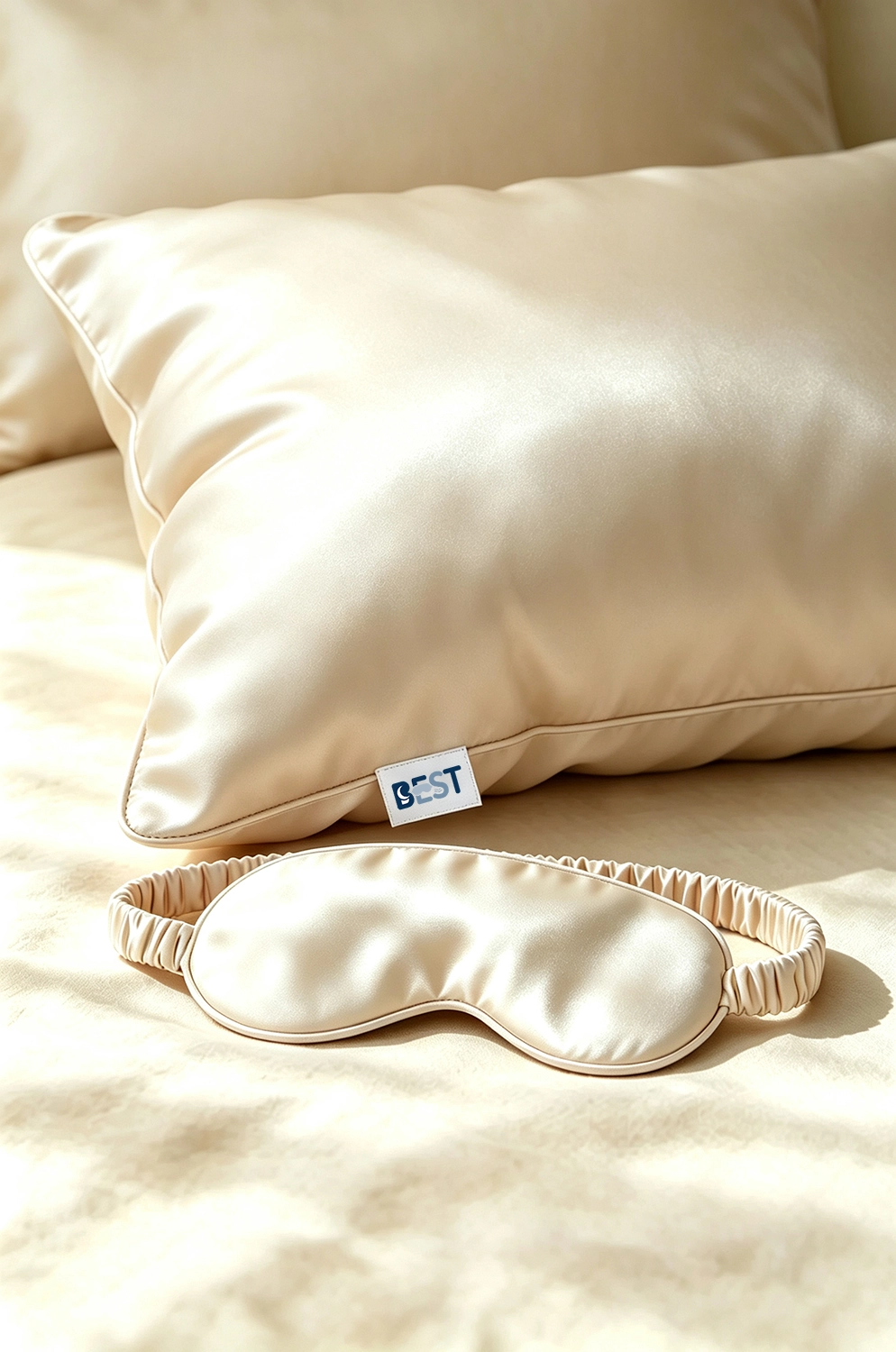
BEST™ 900 FP White Goose Down Pillow
Customizable loft and moldable 900 fill power down designed to fill the shoulder gap and relieve neck pressure.
Explore Loft OptionsFor Back Sleepers
Back sleepers generally don’t need as much loft as side sleepers. The goal is to support the natural curve of the neck without pushing the head too far forward or allowing it to fall backward.
A medium or medium-low loft may be a good starting point, but your mattress firmness and body shape also affect how much pillow height you actually need.
For Stomach Sleepers
Stomach sleeping can place the neck in a rotated position for long periods. If you regularly wake up with neck or shoulder discomfort, experimenting with a different sleeping position may be worthwhile.
If you cannot comfortably change your sleeping position, a very low-loft pillow may reduce the amount of neck elevation compared with a thick pillow.
5. Your Mattress Matters Too
Your pillow doesn’t work independently.
A mattress that is extremely firm may create pressure around the shoulder, while a mattress that is too soft can allow the shoulder and torso to sink deeply into the surface. Either situation can change the way your head, neck, and shoulders are positioned.
That’s why I always recommend looking at the entire sleep setup instead of changing the pillow alone.
According to Cleveland Clinic, awkward sleeping positions can place additional stress on the muscles and joints and contribute to pain when you wake up.
6. Simple Sleep Habits That May Reduce Shoulder Pressure
Even after choosing a better pillow, a few simple adjustments may make your sleeping position more comfortable.
- Try hugging a pillow: Side sleepers can place a pillow in front of the body and rest the upper arm on it. This can help keep the arm in a more comfortable position.
- Place a pillow between your knees: For side sleepers, a pillow between the knees can help keep the pelvis and lower body in a more stable position.
- Avoid sleeping directly on a painful shoulder: If one shoulder consistently hurts, experiment with sleeping on the opposite side or on your back.
- Check your mattress: If your shoulder feels compressed or your body sinks unevenly, the mattress may be contributing to the problem.
Cleveland Clinic also recommends considering sleep position and supporting the affected arm when shoulder pain is interfering with sleep.
7. When Should You See a Doctor for Shoulder Pain?
A pillow can potentially improve discomfort related to sleep position and nighttime support, but it cannot treat an underlying shoulder injury or medical condition.
Shoulder pain can have many causes, including muscle strains, rotator cuff problems, tendinitis, arthritis, bursitis, and injuries. Mayo Clinic recommends medical evaluation when shoulder symptoms suggest an underlying injury or condition.
Consider seeking professional medical advice if:
- Shoulder pain continues despite changing your sleep setup.
- The pain is severe or getting worse.
- Your shoulder movement becomes limited.
- You experience persistent numbness, tingling, or weakness in the arm.
- The pain began after a fall, accident, or other significant injury.
Seek urgent medical attention for severe shoulder pain associated with symptoms such as chest tightness, difficulty breathing, or sweating.
Frequently Asked Questions
Q1: Can my pillow cause shoulder pain even if my neck doesn’t hurt?
Yes, it can be a contributing factor. Many people assume that pillows only affect the neck, but your sleeping position connects the head, neck, shoulders, and upper spine.
If your shoulder feels fine before bed but repeatedly becomes sore after sleeping, especially on the side you sleep on, your pillow and overall sleep setup are worth checking.
Q2: If my shoulder goes numb while side sleeping, is my pillow too high or too low?
A pillow that is too low may contribute to poor alignment for some side sleepers because the head can drop toward the mattress. However, numbness and tingling can have many possible causes and should not automatically be blamed on pillow height.
If numbness or tingling is persistent, frequent, or accompanied by weakness, consider speaking with a healthcare professional.
Q3: Which is better for shoulder comfort: memory foam or white goose down?
They provide very different feels. Memory foam generally offers a more structured and stable type of support, while white goose down provides a softer, more adaptive feel that can be shaped around the head and neck.
The most important question isn’t simply which material is “better.” It’s whether the pillow can maintain the loft and support you need for your sleeping position.
Q4: I always put my arm underneath my pillow. Should I change this habit?
It may be worth experimenting with a different pillow height or sleeping position. Some people place their arm underneath the pillow because they are looking for additional height or support.
If you frequently wake up with numbness, tingling, or shoulder discomfort after sleeping with your arm underneath your head, try keeping the arm in a more neutral position and adjusting your pillow instead.
Q5: My pillow is two years old but still looks fine. Should I replace it?
Not necessarily based on age alone. Instead, check how the pillow performs. If it has become noticeably flatter, lumpy, less supportive, or unable to maintain its original loft, it may be time to replace it even if the outer cover still looks good.
Q6: I have broad shoulders. Do I need a higher pillow?
You may, especially if you are a side sleeper. Broader shoulders can create a larger gap between the head and mattress, which may require more pillow loft. But there is no universal height that works for everyone.
Q7: How long does it take to notice a difference after changing pillows?
Some people notice a difference within the first few nights, while others need more time to adjust to a new pillow. If your shoulder discomfort persists or becomes worse, don’t assume the pillow is the only cause.
Q8: Can back sleepers also experience shoulder pain from their pillow?
Yes. A pillow that is too high can push the head forward and change the position of the neck and upper body. Back sleepers generally don’t need as much loft as side sleepers.
Final Thoughts
A pillow may look like a small part of your bed, but you spend roughly seven to eight hours with your head and neck resting on it every night.
After testing hundreds of pillows and talking with many people about their sleep problems, I’ve learned that many people focus on massage, stretching, or daytime habits while overlooking the simple setup beside their head.
Take a few minutes to check your pillow’s loft, support, shape, and compatibility with your sleeping position. If you’re a side sleeper, also consider your shoulder width and how much the pillow compresses underneath your head to minimize shoulder pain.
If you regularly wake up with shoulder discomfort, changing your pillow may be one useful part of improving your sleep setup—but remember that shoulder pain has many possible causes.
If you’re looking for a softer pillow with adaptable support, you can also take a look at our BEST White Goose Down Pillow and see whether its loft and feel match your sleeping position.

BEST™ 900 FP White Goose Down Pillow
Luxurious 900 fill power goose down tailored to provide soft, moldable support for all sleeping positions.
Shop Best Goose Down PillowRelated reading: