Reasons for Snoring Every Night? Main Reasons for Snoring Every Night and When It Signals Sleep Apnea

I’ve tested more than 1,000 pillows and spoken with many overseas customers who struggle with snoring. A common complaint I hear is this: they sleep a full 7–8 hours, yet still wake up feeling heavy and exhausted, while their partners are disturbed by loud snoring night after night.
If you find yourself snoring every night, you are not alone. Snoring is a very common sleep phenomenon, but it is not necessarily a sign that you are “sleeping deeply.” Understanding the underlying reasons for snoring every night is crucial, as persistent, loud snoring can sometimes be a warning sign of obstructive sleep apnea (OSA)—a sleep-related breathing problem that can repeatedly interrupt breathing during the night and affect your overall health over time.
Not everyone who snores has sleep apnea, but investigating the exact reasons for snoring every night—especially when accompanied by gasping, pauses in breathing, morning headaches, dry mouth, or excessive daytime sleepiness—can be a reason to talk with a healthcare professional.
Important Medical Note: Bedding products are not medical devices and cannot diagnose, cure, or treat sleep apnea. If you suspect you may have sleep apnea, always consult a qualified healthcare professional for a medical evaluation.
Why Do People Snore? Physical Reasons for Snoring Every Night
From the many customer experiences I’ve encountered, the basic anatomical reasons for snoring every night are straightforward. After you fall asleep, the muscles and soft tissues in your throat relax. As air passes through a narrowed airway, these soft tissues vibrate, creating the familiar sound of snoring.
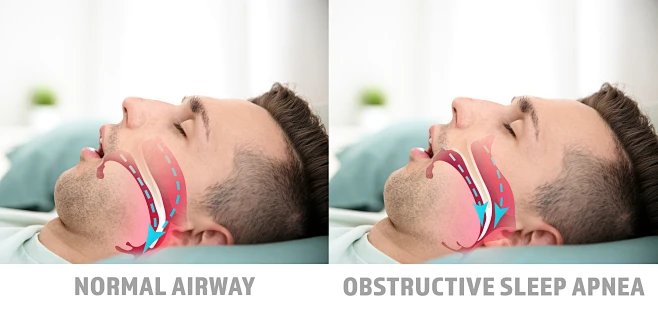
- Sleeping on your back: For some people, sleeping on the back allows the tongue and soft tissues around the throat to move backward, narrowing the airway and increasing the possibility of snoring or restricted breathing.
- Repeated breathing interruptions: When breathing is repeatedly obstructed, the brain may briefly wake the body so that the airway can reopen. Many people do not become fully aware of these brief awakenings, but repeated interruptions disturb normal sleep architecture. This is one major reason why you may sleep for 8 hours and still wake up exhausted.
Many customers initially assume that louder snoring means deeper sleep. In reality, the opposite can often be true.
Snoring Does Not Always Mean Sleep Apnea
Snoring is common and does not automatically mean you have sleep apnea. However, evaluating the potential reasons for snoring every night becomes essential when loud snoring occurs alongside pauses in breathing, gasping or choking during sleep, morning headaches, dry mouth, or excessive daytime sleepiness.
According to the Mayo Clinic, loud snoring can be associated with sleep apnea, while breathing pauses, gasping during sleep, dry mouth, morning headaches, excessive daytime sleepiness, and trouble paying attention are among the symptoms that warrant medical evaluation.
How Your Sleeping Position Affects Nighttime Breathing
During my pillow testing, I’ve found that even a high-quality pillow may feel completely wrong if your sleeping position does not work well for your posture. Your sleeping position directly impacts upper airway stability, making posture one of the most manageable reasons for snoring every night.
1. Back Sleeping
Increases gravity’s pull on the tongue and throat tissues, often narrowing the airway and worsening snoring or positional sleep apnea.
2. Side Sleeping
Generally the preferred position. Helps keep the upper airway open and reduces gravity-induced tissue collapse.
3. Proper Alignment
Using a supportive pillow keeps the head, neck, and spine aligned, avoiding chin-tucking that restricts airflow.
Current sleep guidance generally identifies side sleeping as a more favorable position for many people with obstructive sleep apnea, while back sleeping can worsen airway obstruction in some people. For more details, refer to the Sleep Foundation guide to sleep positions for sleep apnea.
The Importance of Head and Neck Alignment
Even if you consistently sleep on your side, a pillow that is too high, too low, or loses its support over time may leave your neck in an awkward position.
When head and neck support is not appropriate, it can bend your cervical spine or push your chin toward your chest, restricting airflow. For people who tend to snore, maintaining a comfortable and stable sleeping position is vital.
For additional information about posture and breathing, see the Sleep Foundation’s guide to sleeping positions for breathing problems.
What a Pillow Can (and Cannot) Do for Snoring
A pillow cannot medically treat sleep apnea, but your sleeping position and proper head-and-neck support can significantly improve sleep comfort and your overall sleep environment.
The market is full of aggressive marketing claiming that “anti-snoring pillows” can cure sleep apnea. After seeing and testing countless sleep products, I believe consumers should have realistic expectations.
What a Good Pillow Setup CAN Help With:
- Provide correct loft to support side sleeping and keep your neck naturally aligned.
- Reduce uncomfortable pressure points around the head and shoulders.
- Maintain a stable sleep posture throughout the night so you don’t roll onto your back as easily.
- Enhance overall sleep surface comfort for deeper, uninterrupted rest.
What a Pillow CANNOT Do:
- It cannot medically treat or cure obstructive sleep apnea.
- It cannot physically open an airway obstructed by tissue collapse or anatomical issues.
- It should never replace sleep studies, CPAP therapy, or medical advice.
BEST™ 900 FP White Goose Down Pillow
Designed with responsive, customizable loft to keep side sleepers comfortably aligned, filling the shoulder gap while maintaining natural head elevation.
Explore Side Sleeper Loft OptionsWhen Should You Talk to a Doctor About Snoring?
Occasional snoring after fatigue or alcohol consumption is normal. However, if you find yourself experiencing persistent snoring or want to investigate the medical reasons for snoring every night, it is worth seeking medical advice—especially if you notice any of the following symptoms:
- Loud, disruptive snoring every night.
- Witnessed pauses in breathing or choking/gasping sounds during sleep.
- Waking up with a dry mouth, sore throat, or morning headaches.
- Persistent daytime fatigue and brain fog despite 7–8 hours of sleep.
- Difficulty concentrating or sudden mood changes.
Both the Mayo Clinic and the National Institutes of Health (NHLBI) emphasize that these warning signs require a proper diagnosis, often through an overnight sleep study.
Practical Steps to Address the Main Reasons for Snoring Every Night
- Transition to Side Sleeping: Use a body pillow or supportive side-sleeper pillow to prevent rolling back onto your spine.
- Match Pillow Loft to Your Shoulders: Ensure your pillow matches your shoulder width so your neck stays straight without bending.
- Avoid Sleeping Flat on Your Back: If back sleeping is necessary, consider slight head elevation to reduce tissue collapse.
- Maintain Bedroom Sleep Hygiene: Keep your sleeping environment free of dust mites and allergens, avoid alcohol near bedtime, and maintain a consistent sleep routine.
Frequently Asked Questions
Does snoring mean good sleep?
No. Contrary to popular belief, snoring does not mean you are sleeping soundly. In fact, snoring often causes micro-arousals throughout the night, fragmenting sleep architecture and leading to morning exhaustion despite spending 8 hours in bed.
What are the primary reasons for snoring every night?
The main reasons for snoring every night involve the relaxation of throat muscles, soft palate, and tongue during sleep, which narrows the airway. Factors like back sleeping, nasal congestion, weight gain, alcohol intake before bed, or anatomical blockage (such as enlarged tonsils or a deviated septum) frequently contribute to persistent nightly snoring.
How can I stop my snoring naturally?
You can reduce mild snoring naturally by adopting side sleeping, maintaining an appropriate pillow loft to keep the head elevated without bending the neck, managing body weight, avoiding alcohol or heavy meals before bed, and treating nasal congestion.
What is the best pillow to help with snoring?
The best pillow for snoring is one that provides sufficient loft and firmness to support side sleeping without compressing the airway. Medium-to-high loft pillows that fill the shoulder gap keep the cervical spine neutral and prevent the neck from slumping backward or forward.
How to stop snoring permanently?
Stopping snoring permanently requires addressing its underlying root cause. For lifestyle-related snoring, permanent fixes include weight management, switching sleep positions, and quitting smoking. For medical snoring caused by Obstructive Sleep Apnea (OSA) or anatomical issues, solutions require medical treatments such as CPAP therapy, oral devices, or corrective surgery.
What are the best solutions for snoring?
Effective solutions depend on severity: non-medical solutions involve side sleeping, using contoured or supportive pillows, and avoiding alcohol near bedtime. Medical solutions include oral mandibular advancement devices, CPAP machines, or medical evaluation by a sleep specialist.
How do you stop someone from snoring immediately?
For quick relief in the middle of the night, gently roll the sleeper onto their side, adjust their pillow so their head and neck are aligned, or slightly elevate their upper body to open up the restricted airway.
Can changing my pillow cure sleep apnea?
No. Pillows are comfort and postural support products and cannot cure or treat medical sleep apnea. However, a pillow with suitable loft supports proper side-sleeping posture, which can help reduce positional airway narrowing.
Why is side sleeping recommended for people who are snoring every night?
Side sleeping prevents gravity from pulling the tongue and soft throat tissues backward into the airway. This keeps the upper airway relatively open and decreases tissue vibrations compared to sleeping flat on your back.
Can nasal issues be among the reasons for snoring every night?
Yes. Chronic nasal congestion, allergies, or a deviated septum force mouth breathing during sleep. This creates increased negative pressure in the throat, causing soft tissues to collapse more easily, making congestion one of the key reasons for snoring every night.
Final Thoughts on the Reasons for Snoring Every Night
If you or your partner are exploring the reasons for snoring every night, remember that it is more than just a small annoyance for your bed partner. In many cases, persistent loud snoring may point to an underlying sleep-related breathing issue such as obstructive sleep apnea.
While optimizing your sleeping position and switching to a high-quality, supportive pillow can enhance your comfort and encourage healthy side sleeping, remember that bedding is not a medical cure. Listen to your body, consult healthcare professionals when needed, and build a sleep setup that gives you the best foundation for restful nights.
Related reading:
《Reasons for Snoring Every Night? When Snoring Could Be a Sign of Sleep Apnea》有1条评论
评论已关闭。