

Over the years, I’ve learned that sleep duration isn’t the only metric that matters—sleep depth and continuity play a crucial role. If you wake up exhausted despite spending 8 hours in bed, you might be asking: What is poor sleep quality? Understanding what is poor sleep quality and identifying the primary causes of poor sleep quality helps you separate temporary restlessness from persistent physical strain or systemic sleep issues.
1. An Occasional Bad Night vs. Chronic Poor Sleep Quality
Almost everyone experiences a rough night now and then due to high stress, late caffeine, or an uncomfortable mattress. You turn from side to side and wake up feeling slightly groggy. However, when evaluating the main causes of poor sleep quality, it is vital to distinguish an isolated restless night from long-term sleep degradation.
This type of isolated sleep disruption usually rights itself once the stressor passes. True poor sleep quality, however, is a repeated pattern where your sleep fails to feel restorative over time, showing distinct signs of poor sleep quality every morning.
Characteristics of a Normal “Bad Night”
- Isolated Occurrences: Happens sporadically without showing long-term signs of poor sleep quality.
- Self-Correcting: Resolves naturally as routine and stress levels stabilize.
- Manageable Impact: Daytime fatigue is temporary and doesn’t manifest into chronic poor sleep quality symptoms.
Many readers ask me if buying a luxury BEST Sleeper 900 Fill Power White Goose Down Pillow can solve their sleep troubles. My answer is always grounded in ergonomics: Proper head and cervical alignment eliminates physical pressure points—a leading factor among the causes of poor sleep quality—but learning how to improve sleep quality requires addressing both your physical sleep setup and underlying sleep habits.
“When asking what is poor sleep quality, researchers look at sleep efficiency, sleep latency, and wakefulness after sleep onset. Addressing poor sleep quality symptoms requires continuous, uninterrupted cycles through light, deep, and REM sleep phases.”
2. What Is Poor Sleep Quality? Key Signals and Symptoms
To fully answer what is poor sleep quality, you must look beyond the total hours shown on your alarm clock. Even if you stay in bed for 7–8 hours, recognizing key poor sleep quality symptoms helps identify whether your body is experiencing frequent micro-arousals that prevent deep restorative cycles.
Recognizing the Signs of Poor Sleep Quality:
- Fragmented Sleep: Waking up multiple times throughout the night, one of the clear signs of poor sleep quality.
- Non-Restorative Rest: Waking up feeling drained or heavy, classic poor sleep quality symptoms despite spending enough hours in bed.
- Frequent Nocturnal Adjustments: Tossing and turning caused by neck strain or heat retention—major physical causes of poor sleep quality.
- Daytime Exhaustion: Cognitive fog, irritability, and reliance on caffeine, indicating a need for how to improve sleep quality effectively.
If these signs of poor sleep quality persist at least 3 nights a week for over a month, you are dealing with chronic disruptions that warrant evaluating both physical ergonomics and daily sleep habits.
Sleep Quality Self-Assessment: Evaluating Your Rest
Use the matrix below to distinguish between occasional sleep disruption, physical/ergonomic misalignment, and chronic sleep quality issues:
| Indicator | Occasional Bad Night | Ergonomic Misalignment | Chronic Poor Sleep Quality |
|---|---|---|---|
| Frequency | 1–2 times per month | Nightly upon waking | 3+ nights/week for 1+ month |
| Primary Cause | Acute stress, late caffeine | Unsupportive pillow/mattress | Lifestyle, environment, internal factors |
| Morning Feel | Mild tiredness | Neck stiffness, shoulder pain | Brain fog, chronic exhaustion |
| Primary Solution | Rest and relaxation | Ergonomic pillow adjustment | Comprehensive sleep hygiene overhaul |
3. How Bedding & Neck Alignment Impact Sleep Quality
As a bedding developer, I focus heavily on spinal alignment and pressure relief. An unsupportive pillow is one of the most overlooked causes of poor sleep quality. Misalignment creates continuous physical tension, leading to frequent micro-awakenings that trigger severe poor sleep quality symptoms.
Ergonomic Alignment: How to Improve Sleep Quality
Back Sleepers: Require a contoured loft that supports the natural cervical curve to eliminate signs of poor sleep quality like morning neck stiffness.
Side Sleepers: Need elevated support matching shoulder width to prevent spinal tilting, directly addressing common causes of poor sleep quality.
Improper Loft: Accelerates muscle fatigue and tossing, making it impossible to fix what is poor sleep quality without upgrading support.
Matching Pillow Ergonomics to Your Sleeping Position
Maintaining spinal neutrality throughout the night prevents micro-arousals and physical tension. Here is how pillow requirements change based on sleeping posture:
Side Sleepers: Maximizing Gap Fill & Shoulder Relief
Side sleepers require a higher loft (4–5 inches) to fill the gap between the ear and shoulder. A firm-yet-conforming 900 Fill Power Goose Down Pillow supports the cervical neck without collapsing, keeping the spine in a straight, horizontal plane.
Back Sleepers: Supporting Natural Cervical Curvature
Back sleepers need medium loft (3–4 inches) that cradles the occipital region while maintaining the neck’s natural C-curve. Excessive pillow height forces the chin toward the chest, causing airway restriction and neck strain.
Stomach Sleepers: Low Loft to Prevent Hyperextension
Stomach sleeping places the neck in extended rotation. A soft, low-loft down pillow ensures the head rests close to the mattress, minimizing lumbar curvature and neck strain.
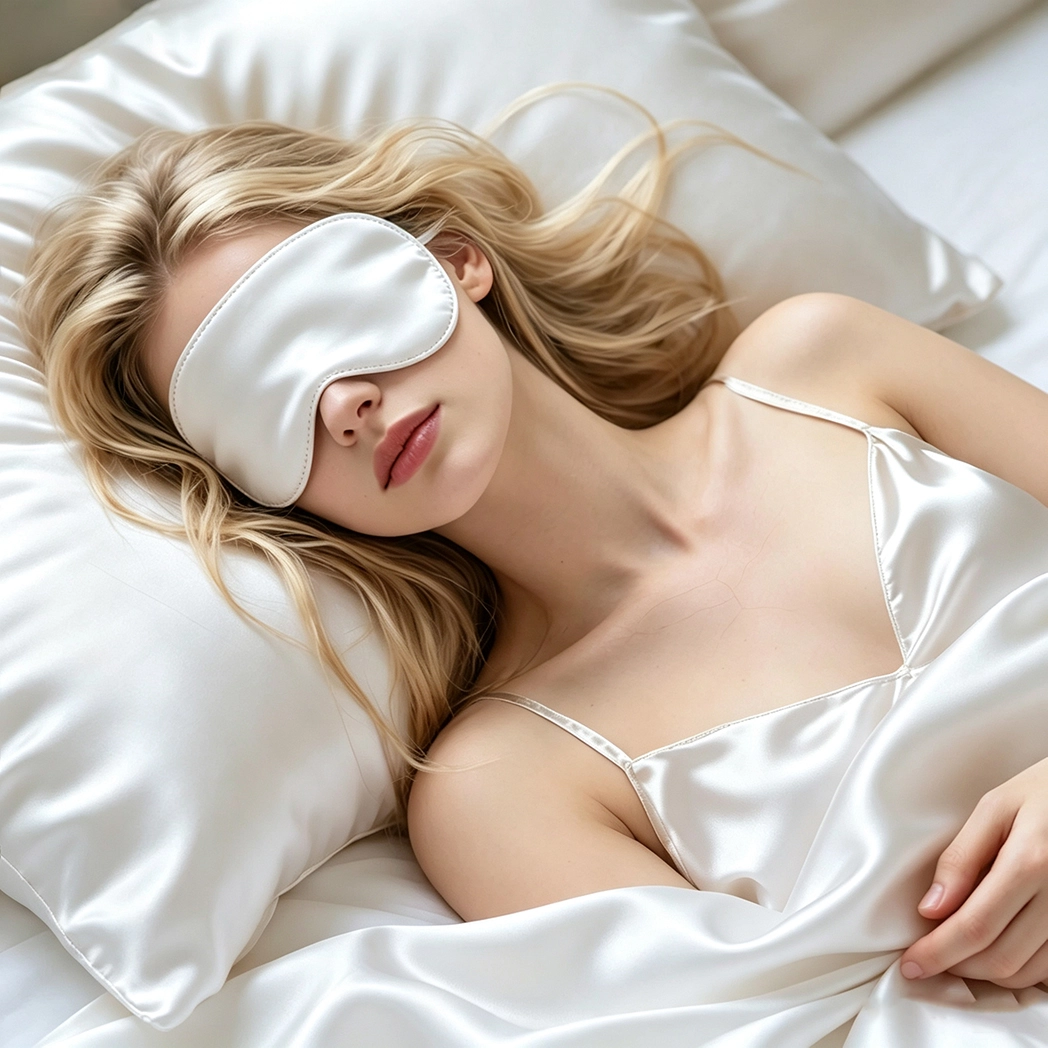
BEST Sleeper 900 FP White Goose Down Pillow
Eliminate physical sleep disruptions and neck stiffness with ultra-luxurious, ergonomic cervical support engineered for proper spinal alignment.
- 900 Fill Power: Premium white goose down offering cloud-like luxury with cloud-level support.
- Optimal Thermoregulation: Highly breathable cluster down prevents nighttime overheating.
- Customizable Lofts: Designed specifically for side, back, and multi-position sleepers.
4. Practical Steps: How to Improve Sleep Quality
Learning how to improve sleep quality involves combining supportive physical hardware like a 900 FP white goose down pillow with consistent evening sleep hygiene routines to eliminate poor sleep quality symptoms.
Track Your Nightly Sleep Patterns
If you suspect you are suffering from what is poor sleep quality, log your rest for 1–2 weeks. Note your bedtime, how often you wake during the night, morning energy levels, and whether you notice signs of poor sleep quality like neck soreness upon waking.
- Maintain a Consistent Schedule: Go to bed and wake up at the same time every day to anchor your circadian rhythm and prevent causes of poor sleep quality.
- Optimize Sleep Hardware: Upgrade to a high fill power goose down pillow and breathable mulberry silk pillowcase to relieve physical pressure points.
- Manage Evening Light & Stimulants: Use a mulberry silk eye mask and limit blue screen exposure to alleviate poor sleep quality symptoms before bed.
- Regulate Room Temperature: Keep your bedroom cool, dark, and quiet—a proven technique on how to improve sleep quality naturally.
Frequently Asked Questions (FAQ)
Q1: What is poor sleep quality vs. sleeping too few hours?
Sleep duration measures time in bed, whereas sleep quality measures how restorative and continuous that sleep is. You can sleep 8 hours and still experience what is poor sleep quality if your sleep is fragmented by physical discomfort or frequent awakenings.
Q2: How do I fix poor sleep quality?
To learn how to improve sleep quality, maintain a consistent sleep-wake schedule, optimize your sleep environment (using supportive 900 FP goose down pillows and a cool room), limit screen time before bed, and ensure proper physical spine alignment while sleeping.
Q3: How much sleep is considered to be poor?
Poor sleep isn’t strictly defined by hours alone. However, regularly getting less than 7 hours for adults, or spending 7–8 hours in bed while displaying signs of poor sleep quality like frequent awakenings and feeling unrefreshed, is considered poor sleep in efficiency.
Q4: How do I know if I have bad quality sleep?
You have bad quality sleep if it takes you more than 30 minutes to fall asleep, you wake up frequently during the night, toss and turn from physical discomfort, or consistently suffer from poor sleep quality symptoms like daytime grogginess.
Q5: What are the signs of poor sleep?
Key signs of poor sleep quality include daytime fatigue, brain fog, morning neck or back stiffness, irritability, dark circles under your eyes, frequent nighttime awakenings, and relying on caffeine to get through the day.
Q6: Can an uncomfortable pillow cause poor sleep quality?
Yes. An unsupportive pillow is one of the primary causes of poor sleep quality. It leads to cervical strain, muscle tension, and tossing and turning, which disrupts deep sleep stages and impacts overall recovery.
Q7: How can I tell if my sleep quality is improving?
As you implement techniques on how to improve sleep quality, signs of progress include falling asleep within 15–20 minutes, sleeping through the night with minimal awakenings, and waking up refreshed without heavy poor sleep quality symptoms.
Q8: When should I seek professional help for poor sleep quality?
If you continue experiencing what is poor sleep quality despite improving your sleep environment, pillow support, and schedule, consult a medical professional or sleep specialist to evaluate potential underlying conditions.
Q9: How does sleep temperature affect sleep quality?
Elevated body temperature prevents your core from cooling down, which is a key biological trigger for deep sleep. Breathable, natural bedding like goose down and mulberry silk facilitates proper thermoregulation, reducing midnight awakenings.
Q10: What pillow height is best for preventing neck strain?
Pillow height depends on sleeping position: side sleepers generally require a higher loft (4–5 inches) to align the spine, back sleepers benefit from a medium loft (3–4 inches), and stomach sleepers need a low loft to prevent neck hyperextension.
Understanding Boundaries
Addressing the physical causes of poor sleep quality with proper sleep ergonomics and a well-regulated environment is an essential foundation for restorative sleep. However, persistent poor sleep quality symptoms caused by underlying health conditions should always be evaluated by healthcare professionals.
Further Reading & Useful Resources
- How to Fall Asleep Faster: 15 Practical Ways That Actually Work — Actionable techniques to ease physical tension and eliminate signs of poor sleep quality.
- Sleep Foundation: Sleep Quality Guide — Comprehensive medical metrics explaining what is poor sleep quality and how to assess sleep efficiency.