What Is Circadian Rhythm? Why Your Body Clock Matters for Sleep

I used to believe that waking up exhausted was simply the result of staying up too late or overworking. I tried going to bed early, cutting out evening coffee, skipping late-night snacks, and forcing myself to stay in bed for 8 or even 9 full hours. Yet, the next morning, I would still wake up with a foggy brain, stiff muscles, and a complete lack of energy.
After several months of careful observation and self-tracking, I finally uncovered the truth: total sleep time is only half the battle.
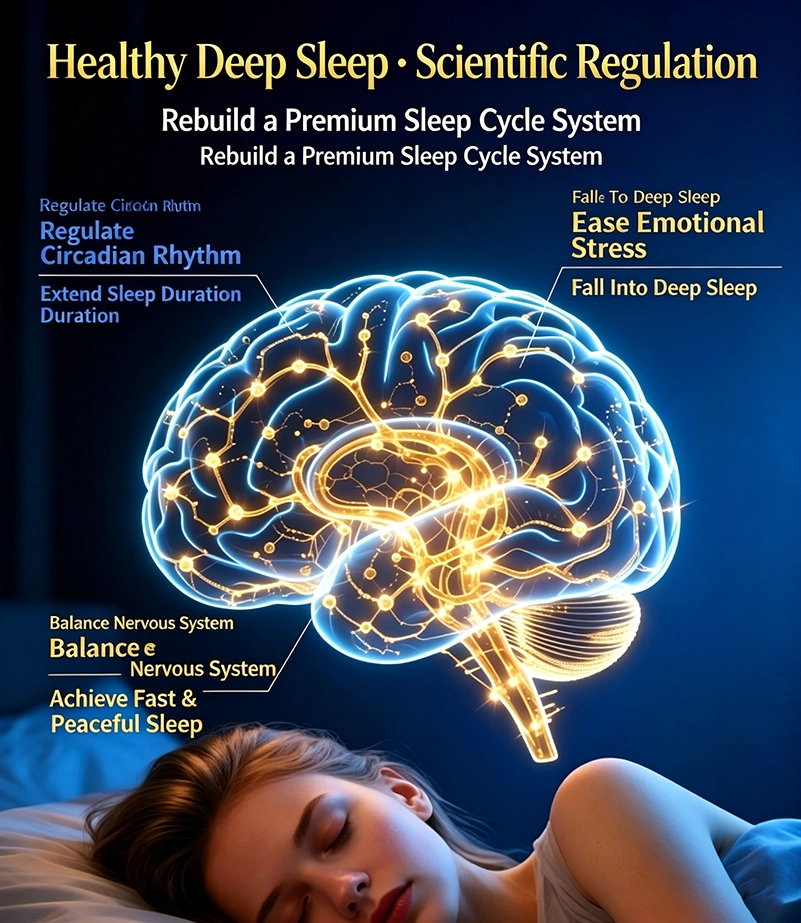
The National Heart, Lung, and Blood Institute (NHLBI) explains that our sleep is primarily governed by two interacting mechanisms: Sleep Drive (the longer you are awake, the higher your body’s demand for sleep) and your Circadian Rhythm (the internal biological clock that dictates when you feel alert or sleepy).
I realized that sleep quality is not just determined by how many hours you clock—your sleep timing and biological rhythm are just as critical. More surprisingly, beyond lifestyle adjustments, switching to a high-quality white goose down pillow noticeably stabilized my biological clock and elevated my overall sleep quality.
Sleep Duration Doesn’t Equal Sleep Quality
Like many people, I fell into a common trap: believing that as long as I logged enough hours in bed, my body was getting adequate rest. My real-life experience proved the exact opposite.
After a late night, forcing myself to lie in bed for 9 hours left me feeling drained, sore in the neck and shoulders, and irritable. Conversely, on days with a consistent schedule, even 7 hours of sleep left me feeling refreshed, clear-headed, and focused. This is the power of your circadian rhythm.
“A circadian rhythm disorder occurs when your internal biological clock is out of sync with your environment, leading to sleep disruption even if total time spent in bed is sufficient.”
Your body operates on an internal 24-hour master clock that responds to light and darkness. It regulates melatonin secretion, core body temperature, cellular repair, and metabolism. When your circadian rhythm is misaligned, you may still pass through normal sleep stages, but because the timing doesn’t match your body’s internal clock, you will struggle with falling asleep, reduced sleep depth, and daytime fatigue.
Signs Your Sleep Rhythm Is Out of Sync
Looking back at my period of poor sleep, I experienced every single one of these symptoms:
- Feeling physically exhausted, yet your mind remains hyper-alert the moment your head hits the pillow.
- Flipping day and night—feeling sluggish during daytime hours and energetic late at night.
- Waking up frequently during the night, waking up with a heavy head and a stiff neck.
- Experiencing mood swings, heightened anxiety, and fragmented focus during work hours.
Initially, I blamed it entirely on mental stress. Later, I recognized that an uncomfortable physical sleep environment causes low-grade physical tension. When your body cannot fully relax, your brain delays melatonin release, causing your circadian rhythm to drift further out of alignment.
How the Right Pillow Transformed My Sleep Experience
While many experts advise “going to bed early,” few emphasize that physical comfort upon lying down is the first key trigger for deep sleep. According to the Sleep Foundation, improper neck alignment and pressure points are leading causes of nighttime restlessness.
I used to cycle through rigid, flat, or overly firm pillows. Finding a comfortable position required constant tossing and turning. This subtle physical struggle kept my body tense and delayed my bedtime, destabilizing my internal sleep schedule over time.
BEST Sleep White Goose Down Pillow
Purpose & Core Benefits: Designed specifically to relieve cervical spine pressure and facilitate instant physical relaxation, helping your brain signal bedtime and transition smoothly into natural deep sleep.
- Ergonomic Spine Support: Conforms instantly to your neck contour without forcing unnatural tilt.
- Cloud-Like Compression: Premium high-fill-power white goose down provides soft, responsive buoyancy.
- Optimal Temperature Control: Exceptional breathability keeps your head cool to prevent midnight overheating.
This level of physical comfort acts as a direct bedtime cue for my brain—signaling that the environment is safe, the body is relaxed, and it is time to rest. As a result, my sleep onset latency decreased, nighttime awakenings dropped, and my overall sleep cycle became naturally consistent.
Key Factors Affecting Your Circadian Rhythm

Maintaining a healthy biological clock involves more than just willpower. Research from the Centers for Disease Control and Prevention (CDC) highlights several primary drivers of circadian health:
- Light Exposure: Prioritize bright morning sunlight and minimize artificial blue light from screens before bed. Light is the primary cue (zeitgeber) for your master clock.
- Consistent Sleep Schedule: Keep regular wake and sleep times every day—including weekends—as recommended by Mayo Clinic sleep specialists.
- Caffeine Timing: Avoid caffeine in the late afternoon and evening, as it blocks adenosine receptors that build sleep pressure.
- Daytime Physical Activity: Regular movement during daylight hours promotes deeper slow-wave sleep at night.
- Ergonomic Sleep Environment: Ensure your room is dark, quiet, cool, and equipped with a mattress and pillow that facilitate total physical muscle relaxation.
Final Thoughts: Master Your Rhythm, Master Your Rest
Good sleep is never about forcing yourself to stay in bed longer—it is about synchronizing with your natural biology. While a consistent routine forms the foundation, investing in an ergonomic, breathable goose down pillow was the critical upgrade that allowed my body to relax effortlessly every night.
If you constantly wake up tired despite logging enough hours, stop fighting your clock. Start by optimizing your immediate sleep environment and giving your body a true reason to relax.
Frequently Asked Questions (FAQ)
How do I regulate my circadian rhythm?
To regulate your biological clock, establish a consistent sleep and wake schedule (even on weekends), get direct sunlight exposure within 30 minutes of waking, limit caffeine in the afternoon, and dim artificial lights 1–2 hours before bed.
How do I know if my circadian rhythm is off?
Common signs of a disrupted circadian rhythm include struggling to fall asleep at night, waking up feeling exhausted despite getting 8+ hours of sleep, experiencing daytime fatigue or brain fog, and waking up repeatedly during the night.
What is the healthiest circadian rhythm?
The healthiest circadian rhythm is one that remains synchronized with natural day-night cycles and aligns consistently with your daily routine, allowing for 7–9 hours of unbroken, restorative sleep each night.
What organ is cleansing at 3am?
In Traditional Chinese Medicine (TCM), the liver undergoes key detoxification between 1:00 AM and 3:00 AM. In Western science, deep sleep around 3:00 AM triggers the brain’s glymphatic system to clear metabolic waste.
Which organ holds grief?
According to Traditional Chinese Medicine, the lungs are associated with grief and sadness. Experiencing unprocessed emotional stress can disrupt natural breathing rhythms and lead to shallow, fragmented sleep.
What hormone wakes you up at 4 am?
Cortisol (the alertness hormone) begins its natural rise around 4:00 AM to prepare your body for waking. Elevated mental stress, anxiety, or low blood sugar can cause an early cortisol spike, waking you up prematurely.
What is the forbidden hour of sleep?
In sleep hygiene, taking long naps during late afternoon (between 3:00 PM and 6:00 PM) is considered the “forbidden hour” because it reduces nighttime sleep pressure and delays your internal circadian clock.
How do I stop my cortisol from spiking at 3am?
To prevent 3:00 AM cortisol spikes, avoid sugary late-night snacks that cause overnight blood sugar crashes, practice evening relaxation techniques, limit alcohol, and maintain a comfortable physical sleep environment.
Is it okay to sleep at 12am and wake up at 8am?
Yes, a 12:00 AM to 8:00 AM sleep schedule provides a solid 8-hour sleep window. As long as this timing aligns with your daily responsibilities and you maintain it consistently, it can comfortably support your circadian rhythm.
How does physical sleep comfort affect biological rhythm?
Physical discomfort causes muscle tension and micro-arousals, which block your brain from transitioning smoothly into deep sleep. Using an ergonomic, pressure-relieving pillow helps your body fully relax, promoting timely melatonin release and stabilizing your overall sleep architecture.