Curly Hair Care Products & Sleep Guide: Why Your Pillowcase Matters

When shopping for premium curly hair care products, most people focus entirely on bottles and jars: hydrating shampoos, rich conditioners, leave-in repair creams, curl-defining gels, and anti-frizz serums.
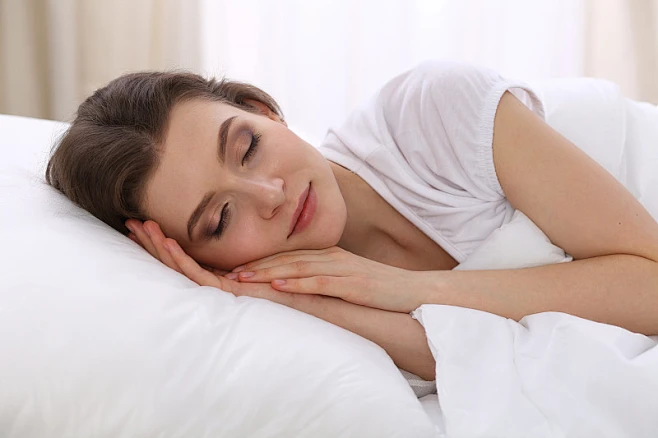
We layer on product after product, spending massive amounts of time styling, all in hopes of keeping elastic, bouncy, clear curls. Yet the reality is often disappointing: even if your hair looks immaculate during the day, you wake up to frizzy, matted patterns and mysterious broken hairs.
I personally tested nearly entire lines of popular curly hair care products, ranging from budget-friendly items to luxury treatments, deep-nourishing hair masks, and anti-frizz oils.
Through this hands-on testing, I noticed a very interesting pattern: many people follow their routine meticulously—never skipping blow-drying techniques or application steps for their curly hair care products—and achieve great hair by daytime, only to have it completely reset after sleeping. Endlessly cycling through wash routines fails to solve the root problem of morning frizz.
The most underrated factor in curl care is your sleep environment—specifically the pillowcase your hair touches every night. After daytime styling, your hair undergoes 7 to 9 hours of continuous sleep contact, enduring friction, compression, and tangling as you toss and turn.
Even with high-grade formulas, excessive overnight friction will ruin your morning style. According to dermatological studies on mechanical hair damage and friction, physical friction breaks down the delicate cuticle layer of curly strands faster than environmental stressors. True root-cause care cannot ignore the bedding your hair rests on.
After evaluating how various bedding configurations interact with different curly hair care products, I reached a simple conclusion: hair products primarily improve the physical condition of the hair strand, while an optimal sleep environment reduces unnecessary overnight friction, pulling, and tangles. They solve two completely different parts of the equation.
Why Does Your Curly Hair Look Worse After Sleeping?
When people wake up with frizzy, matted, or broken hair, their first instinct is to blame their natural hair texture or assume their styling products aren’t working. Based on my observations, invisible damage caused by sleep hardware is far greater than most realize.
Fabric Surface Friction
Different pillowcase fabrics feature distinct surface textures and friction profiles. As highlighted in research on hair fiber surface mechanics, rougher or heavily textured fabrics dramatically increase mechanical friction during sleep movement.
Unconscious night movements cause strands to repeatedly rub against rough weaves, elevating mechanical stress and making delicate or dry strands prone to frizz, knots, and breakage.
Moisture Absorption & Transfer
Fabrics absorb moisture and leave-in products differently. Dry curls pressed against highly absorbent pillowcases can feel significantly less soft by morning.
While morning dryness isn’t exclusive to bedding—hair hydrology, washing routines, and room humidity also contribute—fabric choice remains a major factor. To learn more about environmental factors and hydrators, read our complete guide on how to fix frizzy hair: causes and simple fixes.
When hair cuticles sustain long-term friction damage, chronic dryness and frizzy textures become the norm. Natural curl patterns get pulled apart, tangling overnight and resulting in physical breakage. When I used standard cotton pillowcases, even bi-weekly hair masks couldn’t stop short broken hairs from appearing on my brush. Switching materials created an immediate, noticeable difference in knotting, curl structure retention, and ease of combing.
Additionally, pillow height, firmness, and sleeping position dictate how much physical compression your curls endure. Incorrect alignment flattens massive curl sections and crushes roots. If you are also experiencing noticeable hair thinning alongside morning damage, read my analysis on whether your pillow can cause hair loss to understand how physical traction and improper loft impact your scalp health.
How to Choose the Right Pillowcase for Curly Hair
Having tested multiple pillowcase materials, I strongly recommend high-grade Mulberry silk. According to textile testing by material engineering standards, genuine silk features exceptionally low surface friction, avoiding excessive moisture stripping while preserving natural curl definitions overnight.
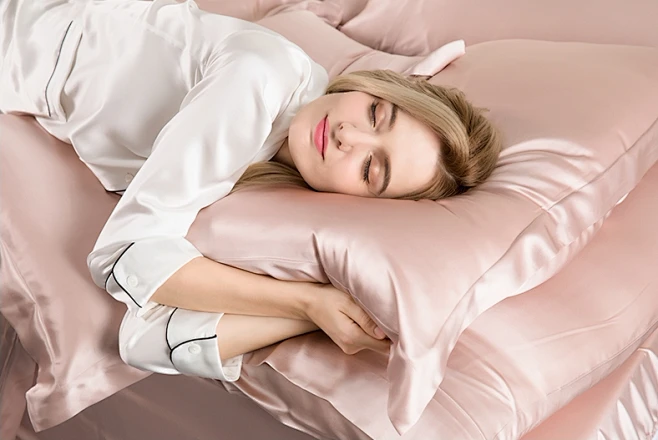
Conversely, you should avoid heavy traditional cotton and rough synthetic microfiber. Both generate high friction and pull moisture straight out of your hair.
- Look beyond momme weight: Focus on silk quality grade, fiber purity, weave standard, craft finish, and tactile smoothness.
- Inspect zippers carefully: If you choose a zipper closure, check whether the zipper is fully enclosed and whether there are any exposed sharp edges that could catch hair.
- Maintain proper washing: Avoid hot water, strong alkaline detergents, and direct sunlight to preserve long-term smoothness.
Can faux-silk (satin) replace real silk? I tested this directly: “Satin” does not equal “silk”. As textile experts at Good Housekeeping explain, satin describes a fabric weave rather than a specific natural fiber. Market satin pillowcases are frequently made from synthetic polyester. Always verify the actual fiber content on product labels rather than relying on the word “satin” alone. If your goal is pure natural performance, look for labels clearly stating 100% Mulberry silk.
How Your Pillow Structure Impacts Your Curls
Changing your pillowcase is only half the solution; pillow height, fill type, and firmness are equally critical to protecting your hair.
Your pillow height and support level must match your primary sleep position to maintain optimal neck alignment and avoid crushing hair strands (see Sleep Foundation’s pillow alignment guidelines):
- Side Sleepers: Require an appropriately resilient loft (such as high fill-power down). If the pillow is too soft or low, your head tilts downward, crushing one entire side of your curls against the mattress and flattening your style by morning.
- Back Sleepers: Require balanced ergonomic neck support to prevent the back of the head from sinking too deeply, which compresses crown roots and strips away elasticity.
Pillow breathability is another major factor. Trapped heat and sweat destroy hair volume and ruin curl retention overnight. Furthermore, old pillows accumulate oils, skin flakes, and dust mites over time; clean or replace them according to manufacturer recommendations, and wash pillowcases regularly to maintain scalp health and keep hair fresh.
A Simple Nighttime Routine for Curly Hair
Ergonomic pillows and low-friction pillowcases are not replacements for your favorite curly hair care products—they work together as a complete protective system.
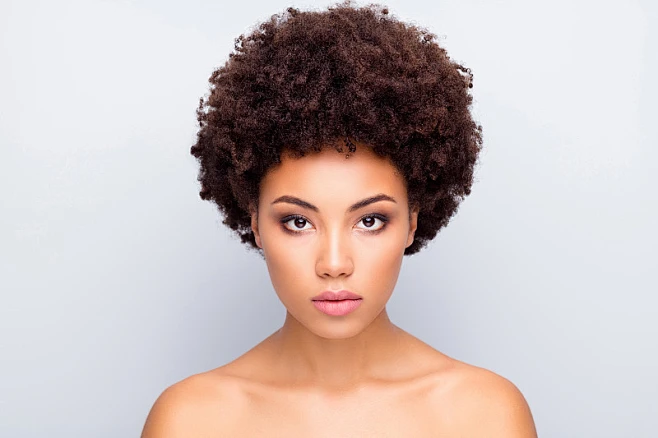
- Maintain your core wash & style routine: Use your trusted cleansing, conditioning, and leave-in curly hair care products to repair existing strand damage.
- Add root-cause sleep protection: Pair a supportive pillow core with a Mulberry silk pillowcase to stop new overnight friction damage.
- Use gentle hair gathering: For longer curls, loosely gather hair toward the top of your head using a soft silk scrunchie (the “pineapple” method) to keep curls from being crushed beneath your head. Note that effectiveness varies depending on your curl pattern and length.
Pro-tip: Avoid rough rubbing before bed. Gently detangle strands with your fingers before lying down to minimize overnight knotting. If applying oil-based curly hair care products at night, let them fully absorb before sleep to avoid transferring residue onto your silk pillowcase.
Upgrade Your Bedding for Perfect Morning Curls
Stop letting nighttime friction ruin your curl routine. Combine optimal ergonomic neck support with low-friction silk accessories to keep your curls defined, hydrated, and bouncy every morning.
Shop BEST Sleep Goose Down PillowFrequently Asked Questions
Is silk or satin better for curly hair?
100% Mulberry silk is generally superior because it is a natural protein fiber that reduces friction while preserving moisture. Polyester satin provides a smooth surface at a lower price point, but lacks the natural breathability and temperature regulation of pure silk.
How should I sleep with curly hair without ruining the curls?
To preserve your curls overnight, sleep on a smooth silk pillowcase, avoid going to sleep with wet hair, and loosely gather long curls at the top of your head using a soft silk scrunchie.
Is the pineapple method good for curly hair?
Yes, the pineapple method works well for medium to long curls by keeping the hair gathered loosely on top of your head, preventing you from sleeping directly on your curl pattern. However, results depend on your specific curl tightness and hair length.
What pillowcase pairs best with curly hair care products?
Pure 100% Mulberry silk pillowcases pair best with high-moisture curly hair care products because silk does not absorb oils or leave-in conditioners from your hair cuticles like cotton does.
How often should I wash a silk pillowcase?
Wash your silk pillowcase every 7 to 10 days using a pH-neutral silk detergent and cold water. Regular washing prevents residual curly hair care products, natural skin oils, and dust from accumulating on the fabric.
Can a silk pillowcase prevent hair breakage?
A silk pillowcase reduces mechanical friction and snagging while you move in your sleep, which significantly lowers overnight hair breakage and tangles. However, it should be paired with proper hair hydration for complete breakage prevention.