How to Fix Frizzy Hair: Causes and Simple Fixes

You can use a hair mask every week, apply leave-in treatments and hair oil, and still wake up with dry, frizzy, tangled hair. If your hair looks smooth before bed but completely different in the morning, finding out how to fix frizzy hair starts with taking a closer look at your nighttime routine.
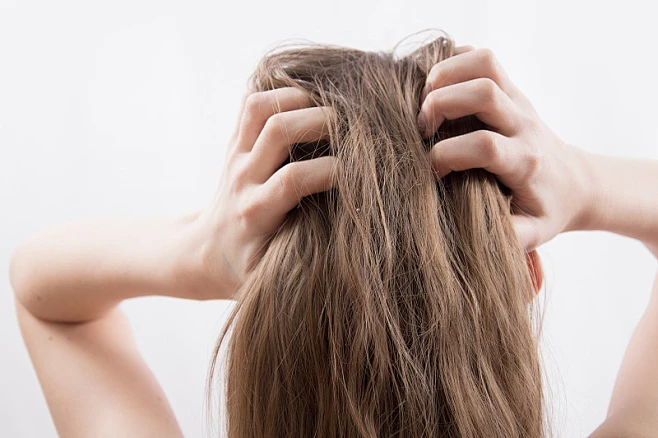
Having personally tested over 1,000 pillows and evaluated various bedding materials throughout my career in sleep hardware and luxury textiles, I kept noticing one recurring pattern: when people search for how to fix frizzy hair, they almost always focus exclusively on daytime products. Shampoo, conditioner, masks, styling serums, and heat protection get all the attention. But at night, your hair can spend up to eight uninterrupted hours pressed against your pillowcase, constantly rubbing against the fabric every time you toss and turn.
That does not mean your pillowcase is the sole cause of frizz. Hair texture, natural moisture levels, humidity, chemical treatments, heat styling, and daily habits all play a role. However, through my hands-on evaluations, I observed that when morning frizz is the main issue, reducing overnight friction is by far the simplest starting point. If you want to know how to fix frizzy hair long-term, managing your hair during sleep is just as critical as your choice of shampoo.
Why Is Your Hair Frizzy After Sleeping?
Learning how to fix frizzy hair begins with understanding why it happens. Waking up with frizzy or tangled hair is rarely caused by one single thing. Through my observations of sleep habits and textile performance, I have found that it is usually the result of several small factors working together: friction, hair condition, humidity, and bedtime routines.
Nighttime friction and movement
You naturally move and adjust your position while sleeping. As your head moves, your hair moves with it, creating repeated contact between your strands and the pillowcase.
Different fabrics have different surface structures and friction characteristics. A smoother surface can allow hair to glide more easily, while some fabrics may create more rubbing and pulling.
If your hair is already dry, fragile or chemically treated, repeated friction may make tangling, frizz and breakage more noticeable.
Dryness and moisture loss
Some textile fibers are more absorbent than others, and hair products can also transfer onto your pillowcase during the night. If your hair is already dry, you may notice that it feels less smooth in the morning than it did before bed.
This is one reason your pillowcase can be worth considering when researching how to fix frizzy hair, but it is not the only factor. Your hair-care routine, hair texture, products and environment all influence how your hair feels.
Indoor humidity
Your bedroom environment can also affect how your hair behaves. Heating and air conditioning can change indoor humidity, while very humid conditions can make some hair types swell and become more difficult to manage.
The U.S. Environmental Protection Agency recommends keeping indoor relative humidity around 30–50% for a comfortable indoor environment. Learn more from the EPA.
Your sleep habits and bedtime routine
What you do before bed can make a difference too.
- Long hair can become compressed, tangled or trapped underneath your head while you sleep.
- Wet hair is more vulnerable to breakage, so going to bed with very wet hair is not ideal.
- Very tight ponytails, buns or braids can add unnecessary tension to the hair.
The American Academy of Dermatology recommends handling wet hair gently and avoiding hairstyles that continuously pull on the hair. See the AAD’s hair-care guidance.
Why Daytime Hair Care Isn’t Always Enough
Most of us naturally focus on hair care after washing: conditioner, hair masks, leave-in products, oils and styling treatments.
Those steps matter when learning how to fix frizzy hair. But nighttime is another part of your routine that is easy to overlook. Your hair may spend several uninterrupted hours against a pillowcase, especially if you move around while sleeping.
That does not mean your daytime products are being “cancelled out.” It simply means that if nighttime friction is contributing to tangles or frizz, changing the sleep environment may complement the rest of your hair-care routine.
“Good hair care does not stop when you turn off the lights.”
Can a Silk Pillowcase Help With Frizzy Hair?
This is where your pillowcase becomes interesting when exploring how to fix frizzy hair.
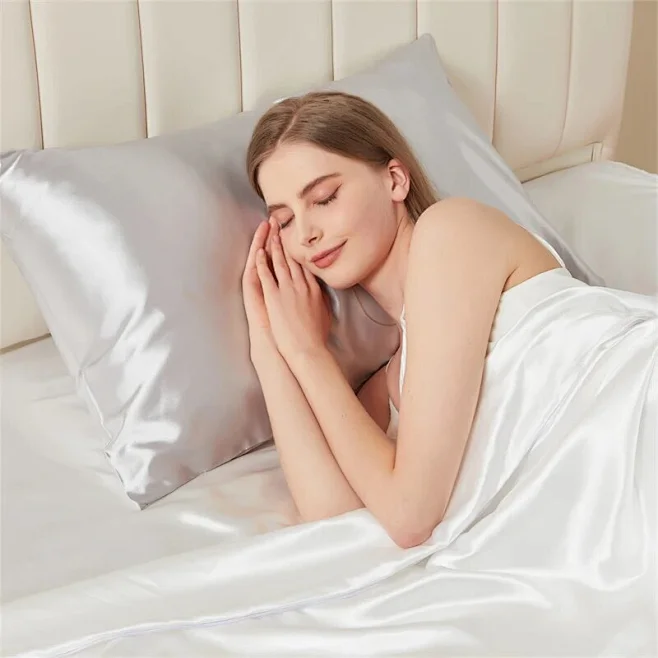
Silk has a naturally smooth surface, so hair can glide across it more easily than it may across a rougher or more textured surface. The basic idea is simple: less unnecessary rubbing and pulling may mean fewer tangles and less mechanical stress on the hair while you sleep.
Dermatology and hair-care experts commonly point to reduced friction as one reason silk or satin pillowcases may be useful for people who experience tangling, frizz or breakage. Consumer Reports explains the connection between friction and hair breakage.
Silk vs. Satin: What’s the Difference?
These two terms are often used interchangeably, but they are not actually the same thing. In my testing of different bedding materials, I examined how various weaves and natural fibers interact with hair and skin overnight.
| Silk | Satin |
|---|---|
| Silk refers to a natural protein fiber. | Satin refers primarily to a type of weave or fabric structure. |
| A silk pillowcase can have a smooth, naturally lustrous surface. | Satin can be produced using different fibers, including synthetic fibers. |
| Look for clear fiber labeling such as “100% silk” when shopping. | Check the fiber content rather than assuming “satin” means silk. |
The U.S. National Park Service explains that satin describes a weave structure rather than one specific fiber. See the National Park Service’s explanation of satin weaving.
For this reason, a polyester satin pillowcase and a 100% silk pillowcase may both feel smooth, but they are not the same material.
How to Fix Frizzy Hair: Simple Overnight Fixes
You do not need to completely change your hair routine when searching for how to fix frizzy hair. Start with a few simple habits that reduce unnecessary friction, pulling and dryness.
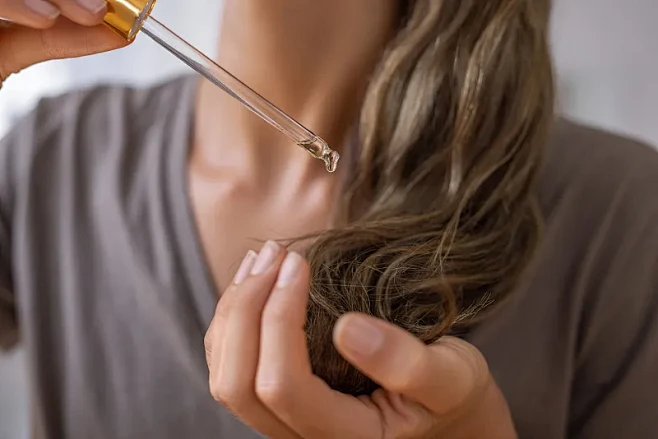
1. Try a lower-friction pillowcase
If your hair is consistently more tangled or frizzy in the morning, changing the surface your hair spends hours against is one of the easiest experiments to try. Knowing how to fix frizzy hair starts by choosing materials like silk that prevent surface friction.
A silk pillowcase provides a smooth sleeping surface that allows hair to move more easily as you change positions. This may be particularly appealing if you have long, curly, textured, dry or chemically treated hair.
Again, the goal is not to promise perfect hair every morning. The goal is simply to reduce one potential source of friction.
2. Go to bed with dry or mostly dry hair
Wet hair is more fragile and can break more easily when handled. The American Academy of Dermatology recommends treating wet hair gently and minimizing unnecessary manipulation. Read the AAD’s healthy hair tips.
If possible, let your hair dry before going to bed. If you need to detangle it while damp, use a gentle technique appropriate for your hair type rather than aggressively brushing through knots.
3. Keep long hair loosely controlled
If you have long hair, leaving it completely loose can allow it to twist and tangle while you sleep. A loose braid or low, relaxed style can help keep the lengths together.
The important word is loose. Tight ponytails, buns and braids create tension, and repeated tension can contribute to hair breakage.
4. Be gentle when brushing
If you wake up with tangled hair, resist the temptation to pull a brush aggressively through the knots. Start at the ends and gradually work upward.
For people with curly or textured hair, the ideal detangling method can be different. The American Academy of Dermatology recommends choosing a technique based on hair type rather than using the same routine for everyone. More dermatologist-backed hair-care advice.
5. Pay attention to your bedroom humidity
If your bedroom feels extremely dry during heating season, or unusually humid during summer, check the actual humidity instead of guessing.
The EPA recommends indoor relative humidity of roughly 30–50%. A simple hygrometer can help you monitor the room. See EPA guidance on indoor humidity.
6. Do not forget the rest of your hair routine
A pillowcase is only one part of the picture when figuring out how to fix frizzy hair. Conditioner, gentle washing, appropriate leave-in products and limiting excessive heat can all matter.
The American Academy of Dermatology notes that conditioner can help reduce breakage and split ends, while excessive heat can damage hair. See the AAD’s recommendations for managing hair damage.
Who May Benefit From Trying a Silk Pillowcase?

A silk pillowcase is not necessary for everyone. But based on my observations across different hair types and sleep environments, it may be worth trying if you recognize yourself in one or more of these situations:
- Long or curly hair that tangles easily overnight
- Dry, fragile or chemically treated hair
- Hair that frequently looks frizzy when you wake up
- Hair that becomes tangled after sleeping
- You want to spend less time fixing your hair in the morning
- You want to reduce unnecessary friction between your hair and pillowcase
What I Tested and Observed: The Connection Between Bedding and Hair Care
Over the past several years, I have tested dozens of textile weaves—from high-thread-count cotton to 6A Grade Mulberry silk. In my hands-on testing, I observed how friction and moisture absorption differ drastically across fabrics. When evaluating cotton versus silk, I checked how each material interacted with delicate hair strands overnight. Cotton fibers tend to absorb moisture and create surface resistance, whereas pure Mulberry silk allows hair to slide freely without catching.
I also examined how pillow support interacts with nighttime movement. When a pillow lacks proper ergonomic support, you toss and turn far more frequently throughout the night, dramatically increasing the total friction your hair experiences against the pillowcase. Beyond surface frizz, this constant friction can even contribute to physical hair breakage and thinning over time. Learn more about whether your pillow can cause hair loss in my detailed breakdown of sleep habits and hair damage.
Combining high-loft support—such as 900 fill power goose down—with a friction-free silk surface creates the ultimate environment for both sleep quality and hair protection.
When people ask me how to fix frizzy hair, my primary takeaway from years of testing is clear: don’t overlook the eight hours your head spends on your pillow.
My Take: Start With the Part of Your Routine You Overlook
If you have already adjusted your hair-care routine but still wake up with frizzy, tangled hair, I would not immediately buy another expensive treatment. Understanding how to fix frizzy hair step by step doesn’t always require dozens of serum products.
Instead, look at what happens during the hours when you are asleep.
Your pillowcase is one of the few surfaces your hair stays in contact with for hours at a time. Switching to a smoother, lower-friction material is a simple experiment, especially if your main complaint is that your hair looks noticeably worse in the morning.
For me, a silk pillowcase is not a “miracle cure” for frizzy hair. It is simply one small part of creating a gentler sleep environment.
That is also why we paired pure silk accessories with our 900 fill power down pillow in the BEST sleep system: sleep should support your physical alignment, but the subtle details of your sleeping surface matter just as much for your hair and skin.
Upgrade Your Bedding for Better Sleep & Hair Care
If waking up with tangled, frizzy hair has become part of your morning routine, upgrade your setup with high-performance bedding engineered for ultimate recovery and low friction.
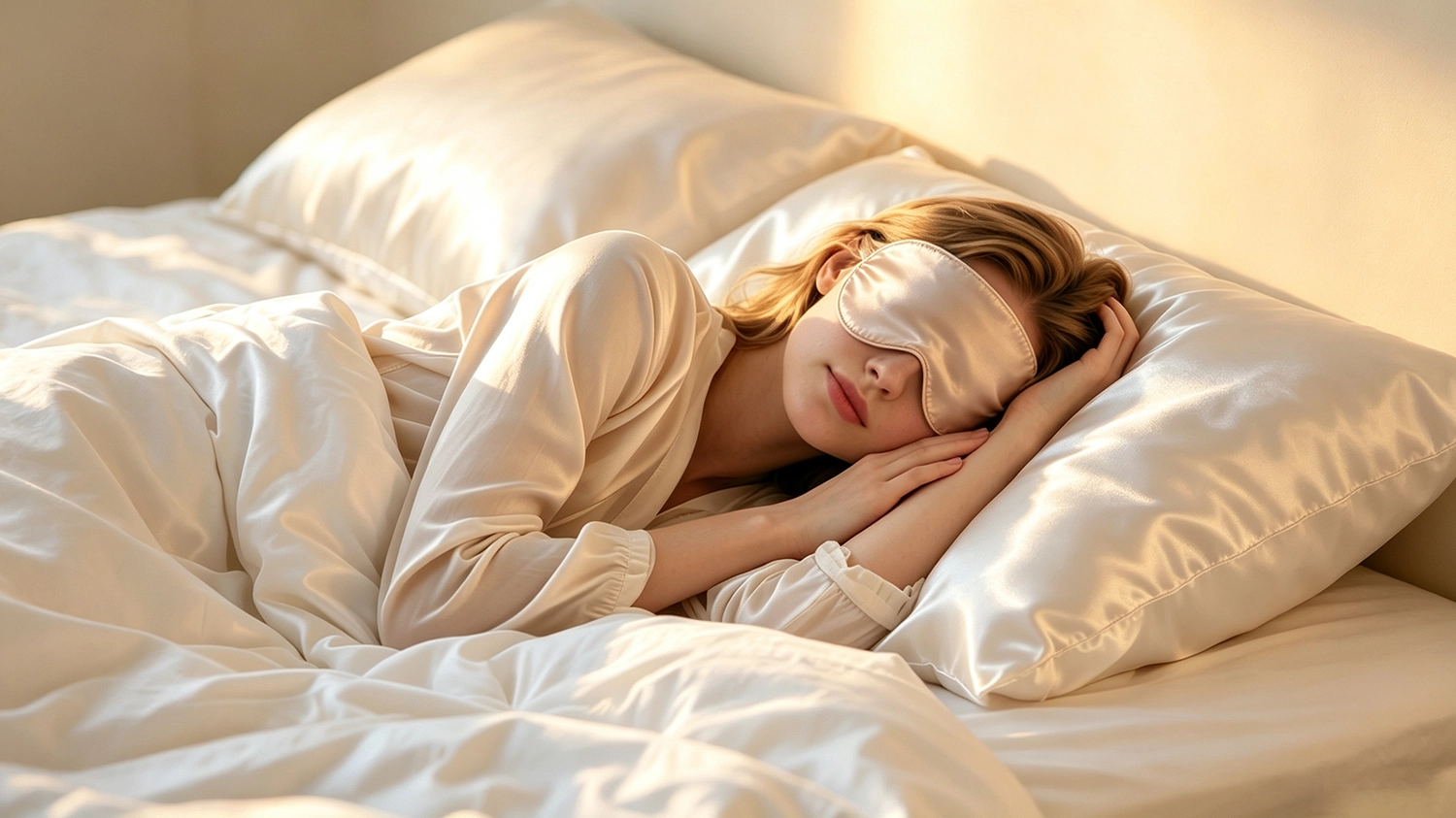
Discover how optimal neck support and ultra-smooth fabrics work together to protect your hair overnight.
Shop BEST Sleep Goose Down PillowFrequently Asked Questions
Can a silk pillowcase help with frizzy hair?
It may help reduce friction between your hair and the pillowcase, which can make a difference for tangling and frizz for some people. However, a silk pillowcase cannot repair already damaged hair or eliminate every cause of frizz.
Why does my hair get tangled when I sleep?
Movement during sleep can cause long or curly hair to rub against the pillowcase, twist around itself and become compressed. Hair condition, length, texture and bedtime hairstyle can all influence how much tangling occurs.
Can a cotton pillowcase damage hair?
Cotton is not inherently bad for hair. However, different fabrics have different surface characteristics, and repeated friction can contribute to tangling and mechanical stress. If your hair becomes noticeably more tangled after sleeping, a smoother pillowcase may be worth trying.
What is the difference between silk and satin pillowcases?
Silk refers to a natural protein fiber, while satin describes a weave or fabric structure. Satin can be made from silk, polyester, rayon and other fibers, so always check the fiber content when buying a pillowcase.
Should I sleep with my hair loose or tied up?
There is no single answer for every hair type. Long hair may benefit from being loosely braided or gently secured to reduce tangling, but tight ponytails, buns or braids should be avoided because repeated tension can contribute to breakage.
Is it okay to sleep with wet hair?
It is better to avoid going to bed with very wet hair. Wet hair is more fragile and can break more easily when handled. If your hair is damp, be gentle when detangling and avoid aggressive brushing or pulling.
Are silk pillowcases good for curly hair?
They can be a useful option for curly or textured hair because a smooth surface may reduce friction and tangling during sleep. However, results vary depending on hair texture, moisture level, styling routine and the condition of the hair.
Can a silk pillowcase reduce hair breakage?
Reducing friction may help reduce mechanical stress on the hair, which is one reason silk or satin pillowcases are often recommended for people concerned about tangling and breakage. They should be considered part of a broader gentle hair-care routine rather than a treatment for hair loss or damaged hair.
Professional Sources & Further Reading
- American Academy of Dermatology — Hair styling without damage
- American Academy of Dermatology — Tips for healthy hair
- American Academy of Dermatology — Hair care and breakage
- U.S. Environmental Protection Agency — Indoor humidity
- U.S. National Park Service — Weaving patterns and satin
- Consumer Reports — Silk pillowcases, friction and hair breakage
This article is for general educational purposes and is not a substitute for individualized medical or dermatological advice. If you have persistent hair loss, significant breakage, scalp symptoms or sudden changes in hair condition, consider speaking with a board-certified dermatologist.
《How to Fix Frizzy Hair: Causes and Simple Fixes》有1条评论
评论已关闭。