Wake Up to Hair on Your Pillow?
Is Your Pillow Really the Cause of Hair Loss?

Understand physical breakage vs. follicle hair loss to create a hair-safe and neck-supportive sleep environment
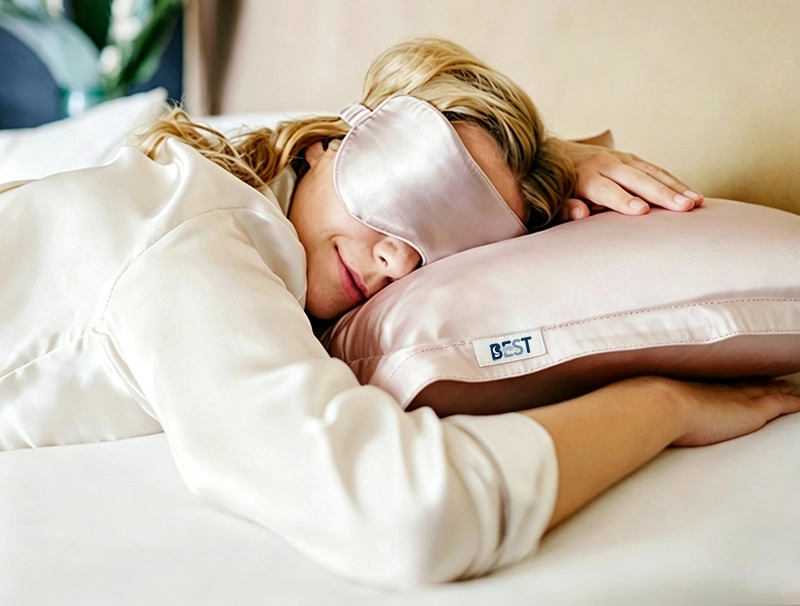
Waking up every morning to find a cluster of hair on your pillow can instantly ruin your mood for the day. Naturally, many people begin to wonder: Is my pillow causing my hair loss?
After reviewing extensive medical literature and scientific studies, here is the clear verdict: Pillows do not directly cause irreversible hair loss from follicle damage. However, poor-quality or unsuitable pillows can exacerbate physical breakage, hair damage, and scalp irritation.
Hair Loss vs. Hair Breakage: First, Figure Out Your Condition
Before switching your pillow, it is essential to distinguish your hair condition:
1. Investigate the Root Cause: Is It Hair Loss or Environmental Factors?
According to the American Academy of Dermatology’s hair loss analysis, true alopecia is primarily linked to hormonal fluctuations, genetics, excessive stress, or systemic health issues. If these are the main culprits, consider taking a break or traveling to relax, adjust your mindset, and observe if your scalp health improves.
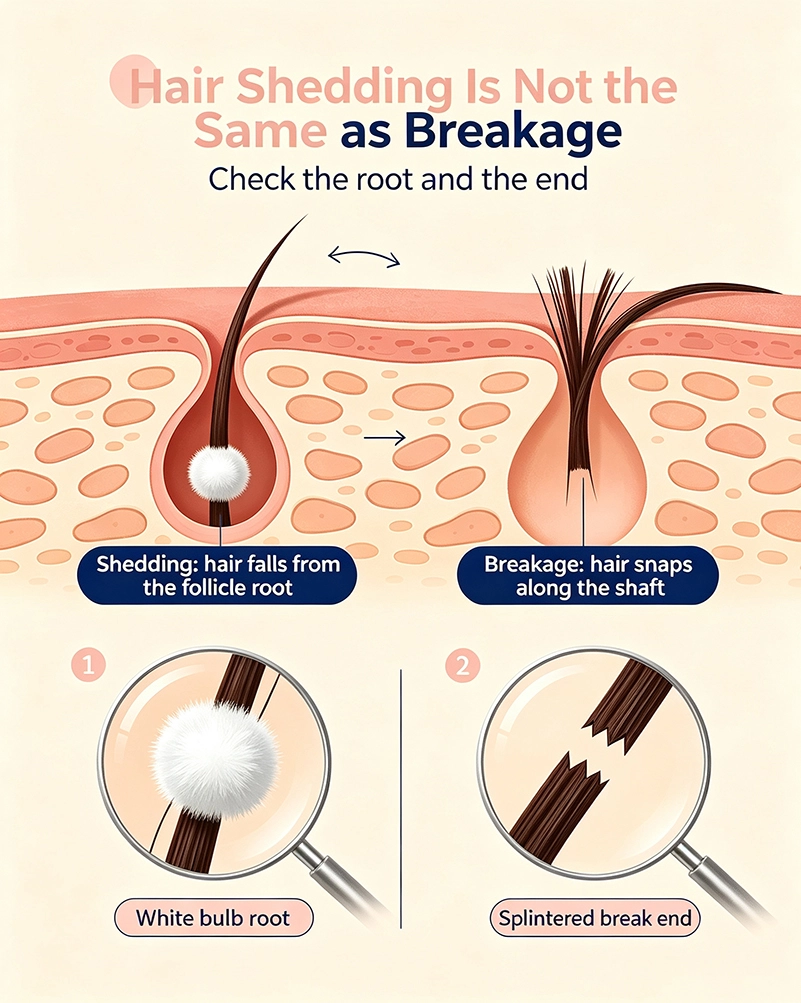
2. Observe Carefully: Is It Follicle Loss or Strand Breakage?
Examine the hair on your pillow closely: Are they broken strands without roots, or hair shafts with tiny white bulbs (follicles) attached?
- Hair Breakage: Mostly caused by frequent tossing and turning during the night, creating intense friction and static electricity between hair and the pillow surface.
- Fragile Hair: Dry hair, lack of long-term care, or improper cleansing can also make hair strands brittle and prone to snapping.
How Is Your Pillow Quietly Damaging Your Hair?
1. Excessive Surface Friction
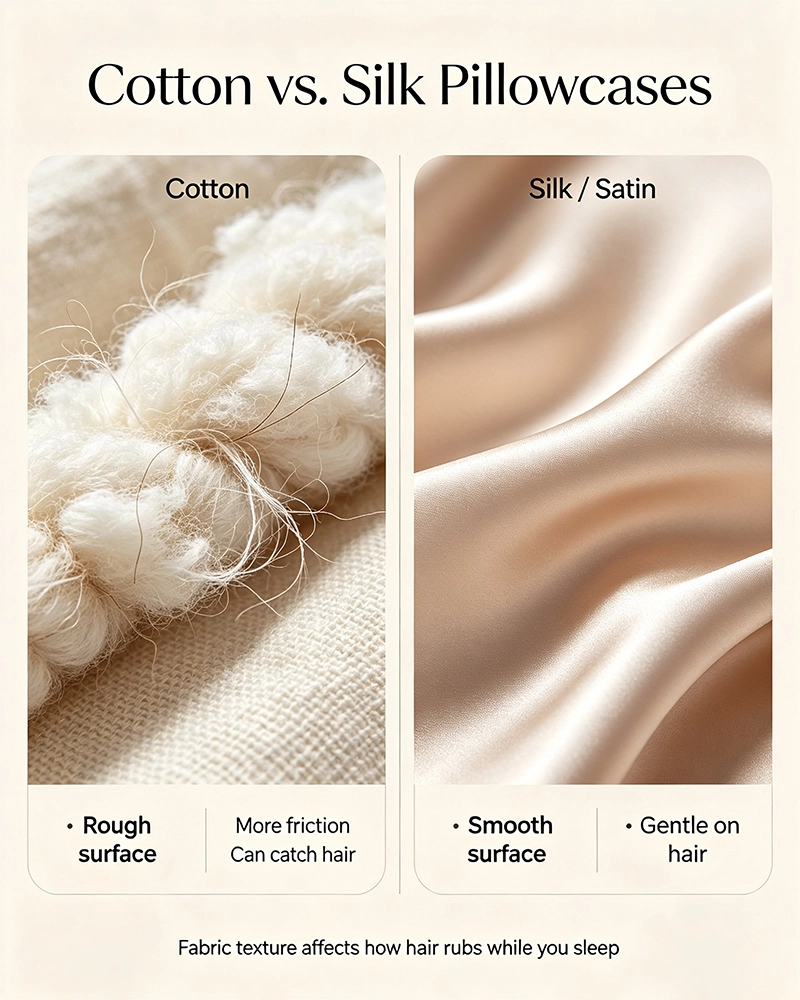
Standard cotton pillowcases have a relatively rough surface. Repeated friction overnight dries out hair, tangles it, and leads to breakage. Synthetic fabrics generate static, pulling on delicate strands.
What Pillowcase Material Is Best?
Choosing the right fabric is critical for hair retention. High-grade Mulberry Silk features an ultra-smooth texture that significantly reduces friction and static, lowering cuticle damage and keeping hair sleek over time.
2. Poor Breathability Causing Heat and Bacteria Build-up
Many ordinary pillow inserts lack proper heat dissipation. Sweat and moisture trapped on the scalp easily breed bacteria and dust mites, triggering itchiness and redness. Furthermore, overheating causes frequent tossing and turning, pulling on your hair and disrupting sleep quality.
3. Pillow Hygiene Hazards
Unwashed pillow inserts and covers accumulate sweat, oils, and dead skin cells over time, becoming a breeding ground for mites and fungi. These irritants trigger scalp inflammation, indirectly increasing hair shedding risks. Regular washing and ventilation provide the best protection for your scalp.
4. Incorrect Pillow Height
Pillows that are too high or too low distort sleep posture. Trying to find a comfortable angle forces your head to rub repeatedly against the same area, causing localized hair breakage.
Top 2 Common Myths About Hair Loss
How to Choose an “Anti-Breakage + Neck Support” Pillow
Focus on these key features to balance hair protection with breathability and cervical support:
| Selection Feature | Standard Pillow | Recommended Hair-Care Setup |
|---|---|---|
| Pillowcase Fabric | Rough cotton / Static-prone synthetic | 100% Mulberry Silk: Minimizes friction and static |
| Pillow Fill | Memory foam / Polyester (Traps heat) | Natural White Goose Down: Highly breathable & fluffy |
| Height & Support | Poor support / Too high or low | Ergonomic Support: Aligns head & neck naturally |
Quick Nighttime Hair Care Habits
- Tie a Loose Braid Before Bed: Prevents loose hair from tangling and rubbing overnight.
- Dry Hair Completely Before Sleeping: Wet hair cuticles are open and extremely vulnerable to friction breakage.
- Wash Pillowcases Regularly: Keeps your scalp environment clean and balanced.
💡 Build Your Ultimate Hair-Care Sleep Experience
While a pillow cannot stop genetic hair loss, a breathable, low-friction setup is your crucial first step toward protecting hair quality and elevating rest.
Looking for a sleep setup that cares for both your neck and your hair?
Shop Best Sleeper Luxury Sleep System
《Can Your Pillow Cause Hair Loss? What to Know About Hair Breakage》有4条评论
评论已关闭。