How to Choose a Pillowcase: Silk vs. Satin, Materials, Size & Care


Most people fall into a common trap: spending countless hours researching pillow fills, height, and support, while completely ignoring the pillowcase. Yet, the pillowcase is the exact fabric in direct contact with your face and hair every single night.
While a pillowcase won’t alter the internal structure of your pillow, its material, breathability, surface friction, and cleanliness directly dictate your sleep comfort, hair health, and skin condition.
Ever wondered why changing just the pillowcase—on the exact same pillow—can drastically alter how you sleep?
Why do some pillowcases leave your hair frizzy and skin irritated, while others feel effortlessly luxurious? The answer lies in fabric friction, breathability, moisture absorption, and maintenance habits.
Let’s unpack the hidden science of pillowcases so you can find your perfect match across materials, sizing, features, and care.
Why Does Your Pillowcase Matter So Much?
Skin Health
If you toss and turn, your face stays in continuous contact with the fabric. Surface friction, moisture retention, and washing frequency significantly impact skin comfort. Over time, pillowcases collect sweat, sebum, and skin-care residues. The American Academy of Dermatology recommends regularly washing items that frequently touch your face, including pillowcases (AAD Guidelines).
Hair Care
Hair continuously rubs against fabric throughout the night. For those with long, curly, or naturally frizzy hair, a low-friction surface helps reduce tangles, breakage, and mechanical stress. Dermatologists frequently suggest switching to silk or satin pillowcases to minimize overnight friction.
Sleep Experience
Your pillowcase is one of the primary fabrics directly touching your body for hours. Its breathability, absorption, and texture dictate thermal regulation. If you tend to sleep hot or suffer from night sweats, lightweight and breathable fabrics offer a noticeably cooler rest.
Pillow Protection
A quality pillowcase acts as a primary defense barrier, blocking sweat and body oils from penetrating the pillow core, thereby extending its functional lifespan.
Material Comparison: Finding Your Fabric
100% Mulberry Silk
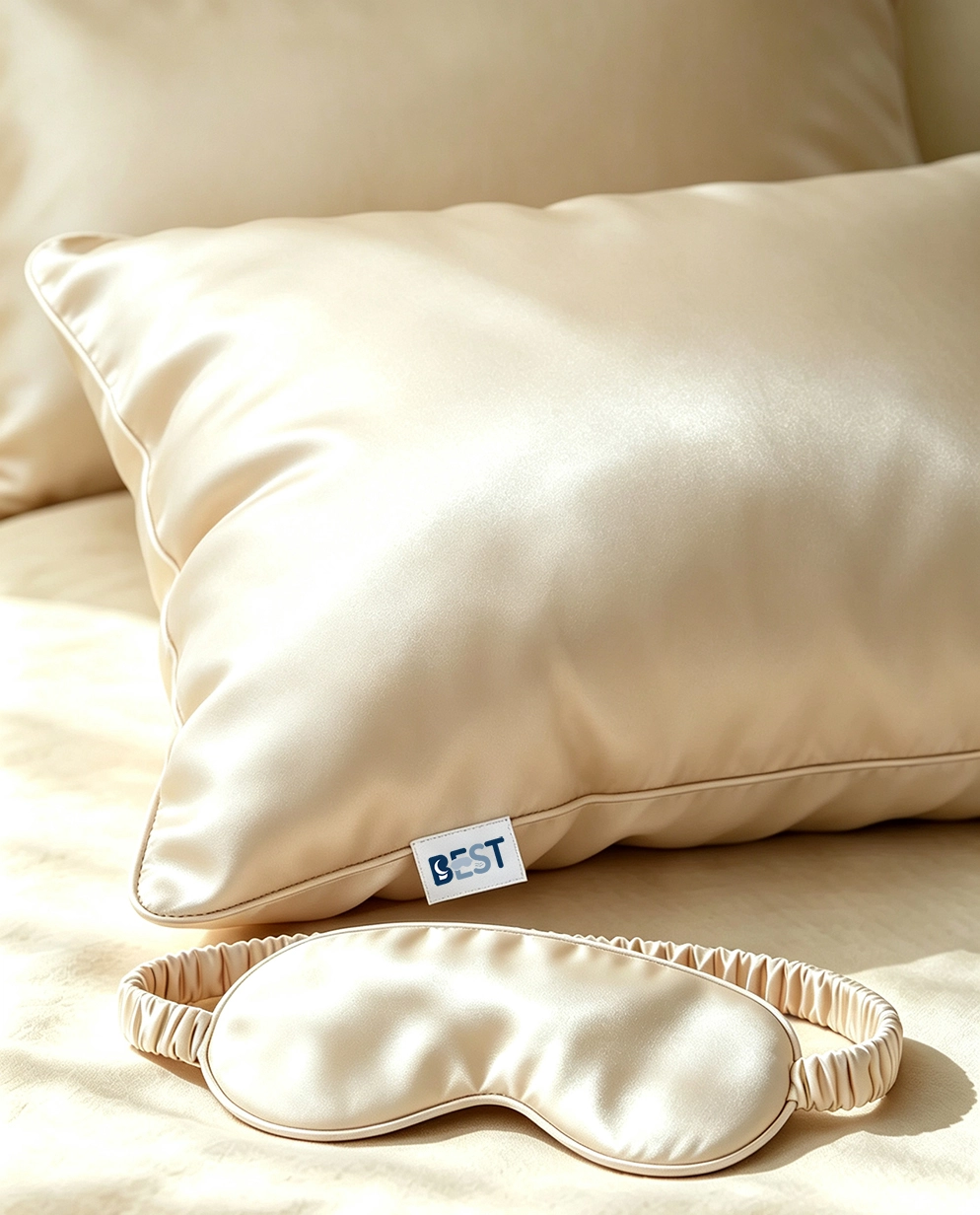
- Ultra-Low Friction: Significantly smoother than cotton, reducing facial creasing and drag.
- Hair Protection: Minimizes knotting, frizz, and breakage. Pairing with a silk sleep cap further prevents friction damage.
- Breathable Comfort: Soft, thermoregulating, and lightweight; perfect for warmer seasons.
- Naturally Hygienic: Resists bacteria and dust mites, aiding skin sensitivities and breakouts.
- Durable: Premium silk (e.g., Grade 6A, 19+ momme) can last years under proper care.
- Higher Cost: Positions as a premium/luxury investment.
- Delicate Care: Requires hand washing or gentle cycles with mild detergents; no heat drying.
- Limited Warmth: Highly breathable, making it less cozy during cold winter months compared to flannel or brushed cotton.
- Prone to Snagging: Fine fibers can catch on sharp objects or rough nails.
Satin
Note: Satin is a weave type/surface finish, not a standalone raw fiber. Satin can be woven from polyester, nylon, or silk. (Silk ≠ Satin)
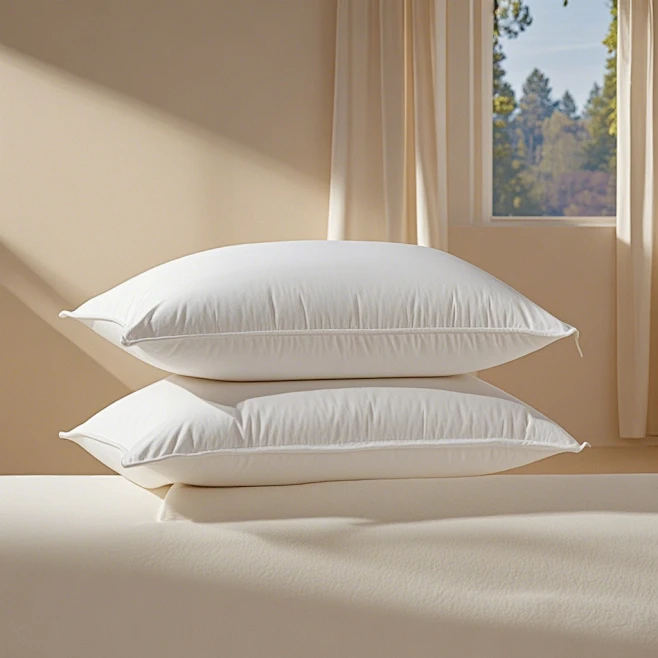
- Excellent drape with a silky-smooth surface texture.
- Provides low friction at a significantly lower price point than pure silk.
- Offers a gentle, comfortable feel against skin and hair.
- High-gloss satin requires care to avoid direct sunlight exposure, which can dull colors and degrade synthetic fibers.
- Polyester-based satins can trap heat and humidity during warm summer nights.
Cotton
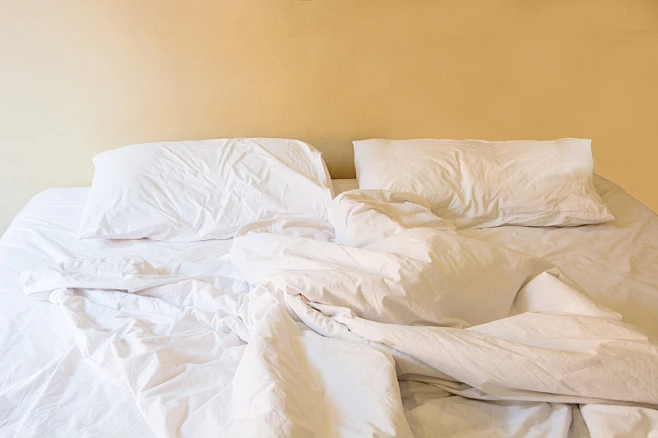
- Classic, natural option with high moisture absorption.
- Durable, heat-resistant, alkali-resistant, and anti-static.
- Easy to clean and naturally soft against the skin.
- Prone to wrinkling and shrinkage after washing.
- Higher surface friction compared to silk or satin.
- High moisture absorption combined with textured weaves can create an environment where dust and oil accumulate if not washed frequently.
Polyester
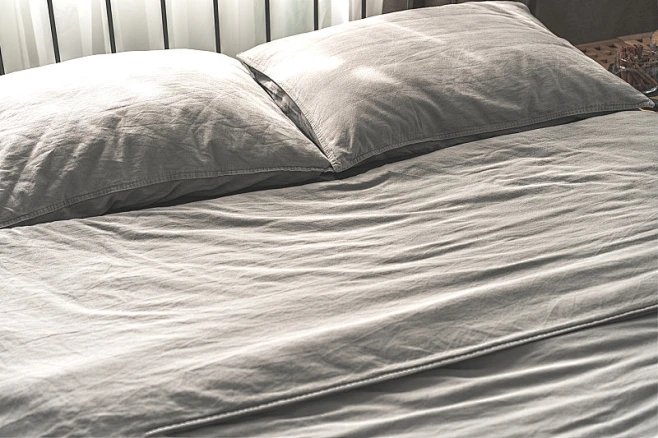
- Budget-friendly and widely accessible.
- Machine-washable, quick-drying, and highly low-maintenance.
- Poor breathability; tends to trap heat and induce night sweats in summer.
- Tends to attract dust and static if not washed regularly.
Silk vs. Satin: What’s the Difference?
| Feature | Silk | Satin |
|---|---|---|
| Nature | Natural Fiber | Weave Structure |
| Common Composition | 100% Mulberry Silk | Polyester / Nylon / Silk Blend |
| Touch & Feel | Exceptionally smooth, soft, adaptive | Smooth, glossy, synthetic feel |
| Friction Level | Very Low | Generally Low |
| Price Range | Higher (Investment) | Budget / Affordable |
| Maintenance | Requires delicate care | Usually easy / machine-washable |
| Buying Focus | Silk Type + Momme Weight | Fiber Content (Check tags) |
Other Essential Buying Metrics
Size & Fit
Always match the pillowcase size strictly to your pillow dimensions. Avoid forcing high-loft down pillows into overly tight cases, as this compresses the fill and ruins its ergonomic support.
Fabric Weight (Momme / Thread Count)
For silk, look at Momme weight rather than thread count. Higher isn’t always better for home use—19 to 22 momme offers the ideal balance of luxury, durability, and cost-effectiveness.
Closure Types
Choose between envelope closures and hidden zippers. Zippered closures are especially recommended for thick, lofty goose down pillows to prevent them from slipping out overnight.
Dyeing & Safety Certifications
If you prioritize skin safety, check for independent textile safety standards like OEKO-TEX® STANDARD 100. This certifies testing against harmful substances, though it does not imply “zero chemicals” or guarantee immunity for hyper-sensitive skin.
Quick Guide: Match Your Specific Needs
- For Skin & Hair Care: Opt for 100% Mulberry Silk to minimize friction and elevate overall sleep texture.
- For Budget Everyday Use: Select high-count Pure Cotton for great comfort and easy washing.
- For Hot Sleepers & Night Sweats: Prioritize Silk first, followed by breathable high-count Cotton. Avoid standard Polyester and synthetic Satins.
- For Sensitive / Reactive Skin: Look for natural, undyed, unbleached fabrics certified for chemical safety.
Common Pillowcase Pitfalls to Avoid
- Misleading Labels: Don’t let sellers pass off synthetic “satin” as real silk. Check fiber content labels carefully; genuine silk carries a natural price premium.
- Ignoring Content Tags: Shiny textures can be deceiving—always verify the actual fiber blend before buying.
- Incorrect Sizing: Squeezing a lofty pillow into a tight case destroys its balance and supportive structure.
- Neglecting Maintenance: Even the finest pillowcase loses its health benefits if not washed and rotated regularly.
Our Top Sleep Pick
BEST Sleep System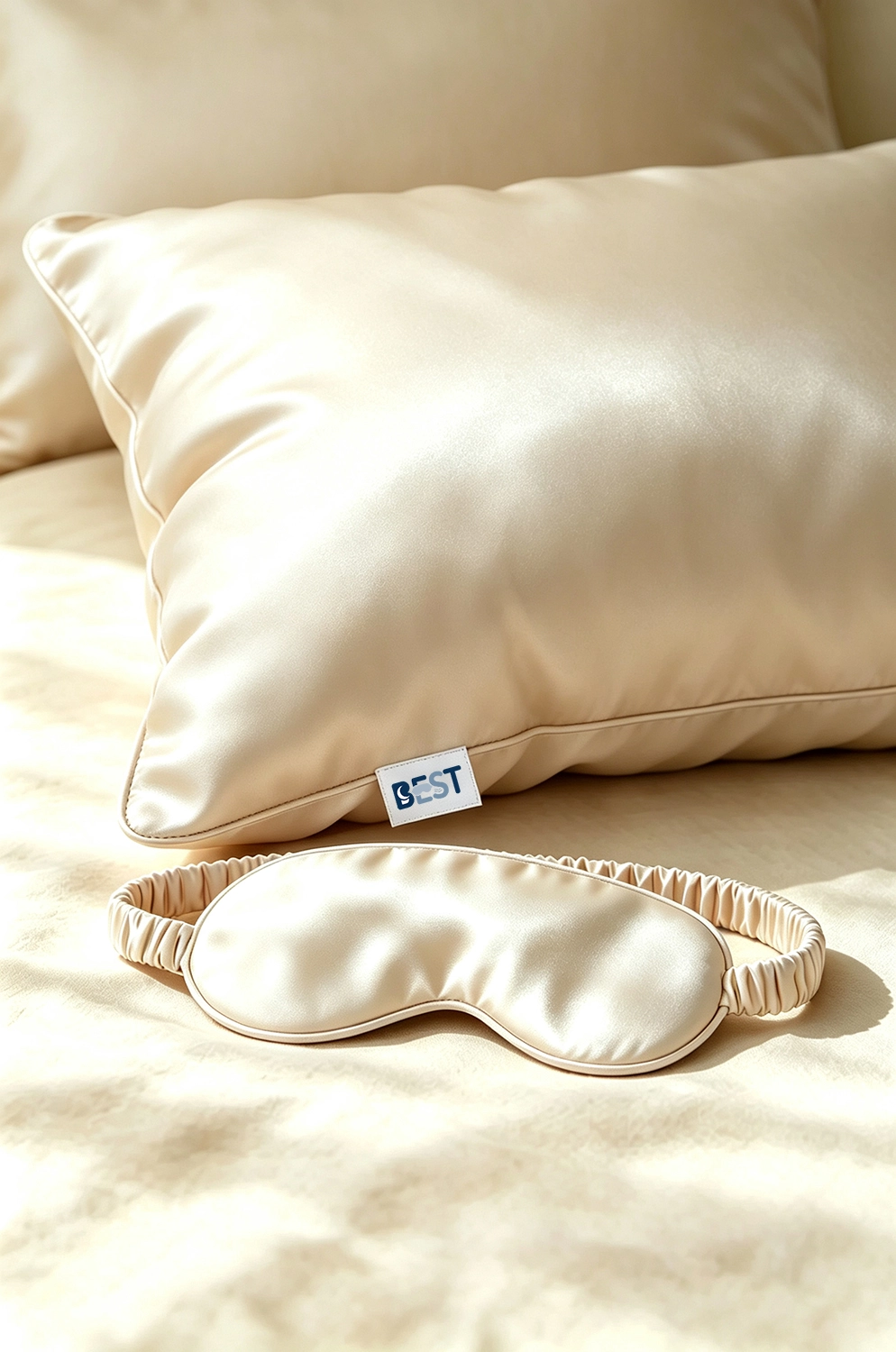
《How to Choose a Pillowcase: Silk vs. Satin, Materials, Size & Care》有1条评论
评论已关闭。